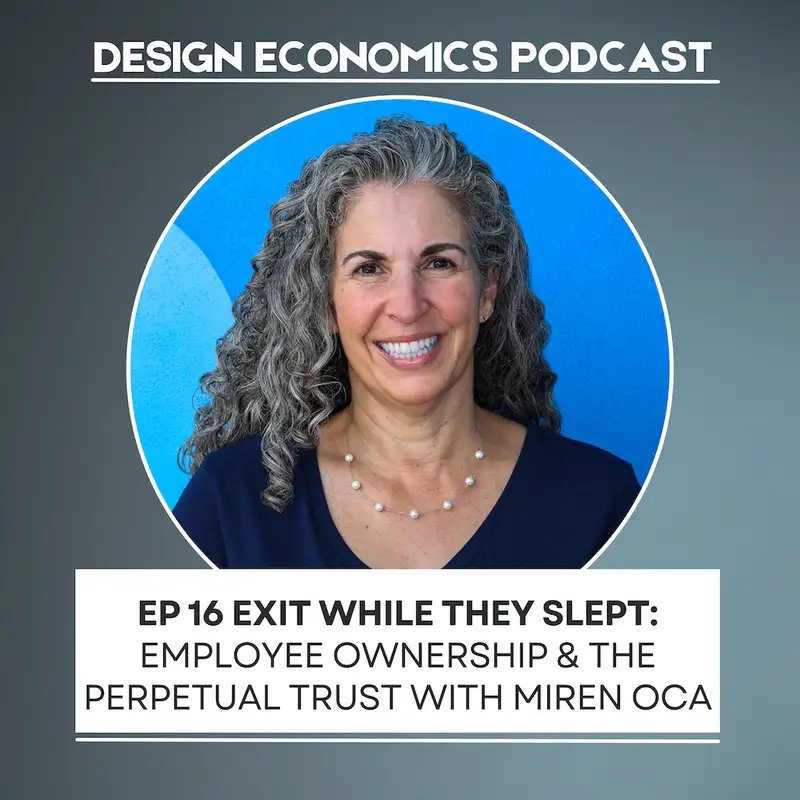
EP 16 Miren Oca: Exit While They Slept; Employee Ownership & the Perpetual Trust
A lot of people say, you know, I took a sacrifice by selling it to my employees. I actually did really well. This was a good transaction. Could I have done maybe could I have made more if I stole it to like a strategic private equity group or somebody? Maybe, but it wasn't worth it to me.
Miren Oca:I did very well. I did well enough.
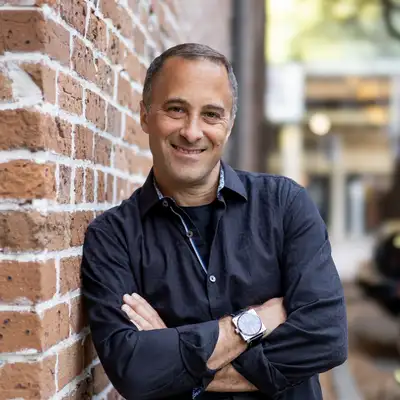
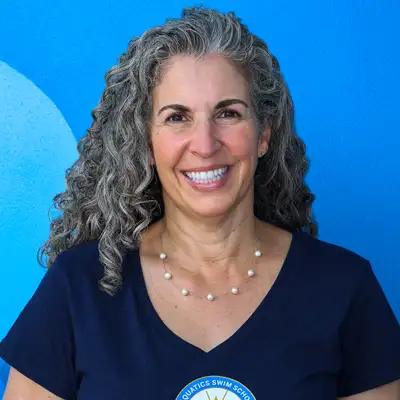
Vinny Tafuro:Hello, and welcome to episode 16 of the Design Economics Podcast, where we explore how design thinking driven by data is revolutionizing economics for the twenty first century. My name is Vinny Tafuro, a futurist, economist, and your host for this episode. My guest today is Miren Oca, founder and CEO of Ocaquatics Swim School, a Miami institution she built from backyard swim lessons in 1994 into five indoor swimming locations serving thousands of families each week. In March 2024, on Ocaquatic's thirtieth anniversary, Miren transferred 100% of the company to its employees through a perpetual employee ownership trust without selling to private equity, without losing the mission, and without the employees seeing it coming. Our conversation explores what transition actually looks like, the mechanics, the friction, and what changes when the people who built a business become the people who own it.
Vinny Tafuro:Before we begin, if you find value in these conversations, please consider supporting the Design Economics Podcast through our Patreon at patreon.com/evolveeconomics. And with that, I hope you enjoy this conversation with Miren Oca.
Miren Oca:It's my pleasure. I'm really excited to to have this conversation with you.
Vinny Tafuro:Me too. I've I've been you know, it's kinda funny that I I stumbled on you through multiple ways and then was like, wait a second. I really need to reach out to Miren at this point. And so would love for you to talk a little bit about your business, how you started it, the evolution of that, and kinda where it is now in kind of a short synopsis, then we'll kinda go through and dig into the details because I really wanna get into it.
Miren Oca:Sure. Well, I started the business in 1994, So we're actually over 32 years old, and I was a college student. You know, I needed to make a living. I had my son in college, and I needed to make a living. So I started this little business, never with the intention of it being lasting thirty two years.
Miren Oca:Otherwise, I would not have called it Oak Aquatics. I might've given it a name that was a little easier to pronounce. Over the time, you know, we really have evolved from me doing backyard sewing lessons to going to homes, different things like that. And then we started hiring people, got hotel pools, built eventually five locations. And now we have this amazing team.
Miren Oca:And on our thirty year anniversary, we transitioned to an Employee Ownership Trust, 100% of the business to the Employee Ownership Trust. So it's been quite the journey, quite the, I like to call it surfing, you know, these waves of business.
Vinny Tafuro:So thirty two years, kind of college side hustle sort of at the time, way before that was a term.
Miren Oca:Absolutely. So, yes.
Vinny Tafuro:And so so what happened, guess, that connection of announcing it, you know, I read one of your stories about that and and kinda can can you go into a little bit of that? Because I think that's really there's a lot of tension right now as we talk about, like, what happens when businesses sell and people work Sure.
Miren Oca:Yeah. So it's been over two years now. Two years and a couple of months. And that night that I announced, I brought all the longtime team members together for a dinner and it was our thirty year anniversary celebration as well. So they thought we were just going to announce another location.
Miren Oca:Know, they they didn't know what was going on and only three people in the business knew that we had transitioned to the Employee Ownership Trust. And we did it on March 1. The dinner was on March 3 and brought everybody together. And I kind of did this whole history. The story of Oak Aquatics went through everything showed a lot of old pictures.
Miren Oca:And then I talked about how private equity was approaching us on a weekly basis, and we had opportunities to sell the company to several different groups. And I told them I sold the company. And you could just see, I mean, have it on video and you see everybody's face like, wait, what? Everybody was pretty surprised. I still get chills when I think about it.
Miren Oca:And, you know, they were really like, it was just dislike, wait, what? What did you do? And then I told them, wait, I sold it to you While you were sleeping, I sold the company to you. And because it happened at midnight on March 1, and it was just a really amazing because there was a lot of shock at the beginning. Like, wait, I don't understand.
Miren Oca:I don't get it. And then disbelief. And then as the evening progressed, we really talked a lot about it. It turned into just amazing joy and just really, really it was just this amazing celebration and it was a perfect timing for our thirty year anniversary. You know, I kind of carried it for the first three decades and now they'll carry it the next three or 10 or a 100, you know?
Miren Oca:It's a thousand year trust, they have a little time to keep going.
Vinny Tafuro:A thousand year trust?
Miren Oca:It's a thousand year trust, yeah.
Vinny Tafuro:That's ambitious. I didn't even know that. I didn't know there were times you could put on. That's gonna be an interesting part of this.
Miren Oca:It's a Florida thing, so it's a Florida thing.
Vinny Tafuro:Okay. Gotcha. So so I guess let's go into, you know, what you were doing here is you really built something that, like I said, was a side business during college to something that was really worth preserving, which, you know, right now it's like, when entrepreneurs, we don't think about entrepreneurship necessarily as like, the tangible things that make life better for children, families, communities, like in that way. So what's a little bit of like, what did you put into that from from growing it from, you know, indoor, you know, building your own pools to the leadership and kind of getting that ingrained? Because that that the fact that the employees were surprised.
Vinny Tafuro:Yeah. But or like, they were shocked at the fact, oh, god, what'd you do if you sold it to private equity? Because like, that was obviously they didn't expect that as the outcome, I don't think. So like, how'd you build that culture?
Miren Oca:Well, I mean, we have to back up to the very beginning because I wouldn't start this business. This wasn't a long term plan. You know, I was in survival mode. I had a baby in college. You know, I was 19.
Miren Oca:I was biochemistry met. I wanted to go to medical school. I wanted to be a doctor. I did not want to be a business owner. When I got, you know, when I found out I was gonna have a baby, it was really hard.
Miren Oca:I mean, was I didn't I was a scholarship student. I did not know what I was doing in business. So I start this little business, and as I'm growing it, I really realized, you know, all those early struggles helped me to rely on team members and on people because I had a toddler. He was coming to the pool with me a lot of the times and I started to rely on the team members that we were hiring and we we were helping them. They were helping me.
Miren Oca:It was pretty amazing and I really learned that I loved working with people and it really helped me realize I was stepping into my purpose because you know, before my purpose had always been I'm going to med school. This is what I'm going to do in life and then it kind of shifted and I found out that I really liked helping our team members grow. I liked the personal development, the leadership development part of it, as much as the swimming instruction part of the business. And I think that I realized in those early years that I wanted to continue building the business, but I wanted to make a difference by building business in a different way. And I think, and that was from the early years, you know, and I really thought I wanna take care of these people who are helping me take care of the business.
Miren Oca:And you know, that came with a lot of struggle. It has not always been easy. We are a people heavy business. You know, we don't sell a product. We are a service based business.
Miren Oca:We teach a lot of children to swim, and that comes with personalities, and it comes with, you know, all the really amazing things that come with working with people. But I have just really enjoyed that. And at the same time, living in Miami, I realized it's expensive to live here. It's hard if you're really trying to make If you're a frontline service member of a team, whether you're in hospitality, we like to think that we're in hospitality or teaching swimming or working in retail or anything like that. It's expensive to live in Miami.
Miren Oca:So through the years we've always thought, Okay, what can we do to help them? How can we increase wages? How can we make their lives better? How can we offer personal financial literacy so that they can handle their finances better? And eventually, you know, we've always.
Miren Oca:Worked on our culture. We've always really talked about culture. It's been really important to us, and we can talk about that. But eventually, you know, we built this amazing culture of ownership, and it just made sense. The most sustainable next step was to, instead of having our people just think like owners, we really wanted to make them owners.
Miren Oca:This way we're going to help close that wealth gap in our community with our team members, and we're going to help them be able to send children to school and buy homes and, you know, all those opportunities that they might not otherwise have the chance to do. So we're really excited about that.
Vinny Tafuro:So the culture side, it's so hard, and it's, you say people heavy and it really is, like in so many businesses, you know, the people have been used to balance the books, like, we can just lay some people off and we increase our profit margin on XYZ product. Your product is the engagement between individual people and the children, you know, the the people learning how to swim. How and then helping them through life stages as well. I I think that's that's an interesting thing too. Is there maybe a little bit you go into about that?
Vinny Tafuro:On what kind of programs or, you know, to to Yeah. Help people with
Miren Oca:Well, again, I think it goes back to the beginning. You know, when I first started the business, I didn't know what I was doing, and I had no money. So my son and I would spend hours and hours and hours on the floor of libraries and bookstores, you know, reading books. He would read his books. I would read mine, I would read all these business books and try to learn how to run a company by the books I was reading.
Miren Oca:A lot of the books I was reading were about, you know, like Jack Welch and business and those kinds of how do you make the numbers work? Usually it's by cutting people or cutting programs or things like that. And you know, it's not to bash on Jack Welch, but it was just these were the things that I was reading about, and I thought, gosh, there's got to be a different way because here I was a person who was trying to make ends meet. I was trying to make a living and I knew my team members had to. We're in the same situation, so I started thinking about how can I do it differently and I really feel like you know we've always had this great culture?
Miren Oca:We would work on, you know, our team building projects would work on Habitat for Humanity homes, or we would just do these different events out in the in the community, work with nonprofits. And it really hit home when I read Tony Shay's book, Delivering Happiness, and that was like in 2008, 2009. I was building my first pool. Is when I decided, okay, I'm really gonna do this. So I was building a pool and I thought
Vinny Tafuro:I need
Miren Oca:like really capture this and put it on paper and really, you know, if it's not written down, it doesn't exist. And so that's when I really learned about, okay, how what kind of culture? I wanted to be very, very intentional about it. And what has come from that is our own it culture. And own it is an acronym.
Miren Oca:O is operate with purpose. W is welcome growth. N is navigate with courage. I is invest in others, and T is transform together. And those five pillars kind of say everything about our culture.
Miren Oca:You know, we are a very purpose driven organization. We save lives. We teach swimming. We also take care of our team members. It's really important for us to do that.
Miren Oca:Welcome growth. We we are always learning and that's one of our core values and we're always asking our parents for feedback. We're also always asking our team members for feedback. I'm always learning. You can see the books behind me.
Miren Oca:I bought a lot of books now that you know after reading them in bookstores years ago. Navigate with courage. I mean we built indoor pools in Miami like they didn't even know what to do with us. You know, we were really this. It was just a very interesting lots of hurdles and roadblocks to overcome.
Miren Oca:We were the first swim school on the planet to become a certified B Corporation. You know, become the one of the first EOTs in the country. There were fewer than 50 when we did the transaction. So a lot of the initiatives and things that we've done, we've had to navigate with courage. And I, as invest in others, that's kind of we, that's what we do.
Miren Oca:We invest in our swimmers, we invest in our families, we invest in our team members, and then transform together. We're really excited about where this is gonna go for the next thirty years. Really exciting.
Vinny Tafuro:I love the acronym and the part that they centered on early on and just can't get out of my head is the welcoming growth. It's not a growth obligation. And I think one of the, you know, I will rip on on Jack Welch. Like, was a my favorite book about him was The Man Who Broke Capitalism that was written Absolutely. Published a few years And, you know, it makes me think.
Vinny Tafuro:I'm I'm assuming you've you've at least heard the story of Barry Wehmiller and their production company. And you know, it was, I remember when I read that book and because I was involved with Jared who you know in starting the Florida chapter of Conscious Capitalism and we got to screen that documentary and I teared up actually when I saw that like Simon Sinek had written the intro to that book because finally, you know, was like, there's in practice what my theories have always been And I think, you know, we need more of those business examples because Welch was held up at such a high pedestal for so long and did so much damage. So it's like to see, oh, there are these examples, which is why I think, you know, Simon's show exists, why we with the institute are trying to put these stories together. I think this is a good transition because we've talked about EOT and it's an employee ownership trust. Would really like to get into as we go into segment two, this create this creative way of doing things.
Vinny Tafuro:There are only 50 of these in the country. Uh-huh. Can you go into a little bit of, like, the process as an owner and a founder of evaluating, you know, I don't wanna do this forever. I want you know, there's obviously some something in life has to change. What was that thought process and kind of evaluation if you could go through a few of the different options that you looked at?
Miren Oca:Well, you know, when I was getting, so around twenty years in business, I started getting approached by private equity. And there was just this really big roll up of children's activity centers around the country, all different sports and all different activities. And so I mean, honestly, the first meeting I ever had, I took a meeting. I didn't have shoes on. Because they showed up early at the pool and talking to these three guys in suits, I didn't even know what the initials PE meant.
Miren Oca:Okay? And so I'm talking to these gentlemen and they leave, and I start thinking about like, people are interested. There's there is something to continue. There's something to sell here. There's something to move forward.
Miren Oca:So I just kept going. It was on my twenty, around twenty years. Just kept going, kept thinking about it. Started talking to my son. I really was hoping mean, he worked in the business.
Miren Oca:He's very good at the business, but he didn't wanna do it. It wasn't his to continue on, and he wanted to do his own thing, his own business. So it was heartbreaking, you know, at the beginning because I really thought, oh, it's gonna be so perfect. We built it together and he can take it. But he didn't wanna do that, so then I started thinking about, okay, the next option is to get it into the hands of the employees.
Miren Oca:That's what I really wanted to do. So I started looking at, okay, from, I mean, the very beginnings were like phantom stock. How do I do that? How do I do stock appreciation rights? How do I I started looking and studying all these different ways.
Miren Oca:Or then started looking at. What if I sold it to these five team members? But I realized they couldn't raise the money to buy something like this. So then I started thinking about more broad based ownership and I looked at worker cooperatives. Really amazing model.
Miren Oca:Love I know many businesses now that are worker cooperatives because I talked to many of them and I really admire the model, but it wasn't gonna be the right fit for us. And then I I found the employee stock ownership the employee stock ownership plan, ESOPs, and that looked really good. And I talked to about 50 different ESOPs around the country, and I really liked it. And, you know, I thought this is what we're gonna do. I talked to a few attorneys and some said, you're a little bit too small.
Miren Oca:And then some said, you're a little bit just right. You're okay. You know, the size of our company and the EBITDA that we had at the time. And I went with what I wanted to hear and I chose an attorney and I hired a firm. I did evaluation.
Miren Oca:I did a feasibility study and we were on our way. I was super excited. We're going be an ESOP and then I heard the story about New Belgium Brewing ESOP B Corp. That's sold to private equity. And I was crushed.
Miren Oca:I was like wait, no, no, no, no, no wait. An ESOP means I'm going to protect the mission. I'm going to protect our purpose. I, you know, because I was really worried if I sold to private equity, we're going to lose our B Corp status. We were going to, you know, you know, we're aligned with the values of conscious capitalism we are.
Miren Oca:And I just didn't know. I didn't have a guarantee that those things would stay in place. So when I heard that it really was kind of crushing. You know? I thought, oh, this is what I've been working so hard to do.
Miren Oca:It's an expensive transaction. And then I kept reading. I kept looking. I kept talking to CEOs. And one CEO of an ESOP said, I wish I had done an EOT.
Miren Oca:And I was like, Wait, what is that?
Vinny Tafuro:What's that?
Miren Oca:What is that? And he told me about it. It's really common in The United Kingdom, very common there, but there were fewer than 50 in The US. It's the Perpetual Purpose Trust Model of law trust law and you know it was really interesting and I started looking into it and I mean everything I found out about it. I couldn't just I did try to just Google it and see if I could research it and there wasn't a whole lot in The US.
Miren Oca:So I started digging and calling and trying and talking to as many people as I could and I realized this is it. It checked all the boxes that I wanted and it was also much less expensive to put into place than an ESOP. An ESOP would have cost me, you know, four or five times more. Plus there's a yearly valuation that you have to do with an ESOP to set that that stock price. The EOT is a very different model.
Miren Oca:I sold 100% of my company and I didn't have to do a 100. I could have done 10 or 30 or whatever. I could have done anything. I sold 100 to a trust. The beneficiaries of the trust are the employees who qualify, and I can get into that in a minute.
Miren Oca:And that means at the end of every year, we have a kind of a profit waterfall. We put some of the profit into a reserves account. We put some of the profit into a capital expenditure fund in case equipment goes down. We have a lot of equipment and then all the remaining profit gets divided out amongst the co owners at the time. Call our employee owners co owners.
Miren Oca:Owners. It's divided out so they get money at the end of each year, and what we do is we give half of it to them in a paycheck and the other half goes into their four zero one ks. So it is still building wealth for the future, but they're also getting money now when they need it now. And that was a concern that I had with the ESOP is if there wasn't a lot of cash distribution, they were going to get stock and every year they were going to get a piece of paper that showed their stock and that's great, but they weren't going to really understand. I have very young team members.
Miren Oca:They weren't going to have the money to buy groceries. I mean, of gas right now is crazy and they weren't going to have the money to use it right now. And so that's where I was. This just really was perfect for us. Yeah.
Miren Oca:So we we did that.
Vinny Tafuro:That actually that's right. What what you just closed on there, the fact that you own stock that, yeah, you have this paper number, which almost then like like that clicks me, well, why why would they sell to private equity as an ESOP? And it's like, oh, wait. Because until you sell, you don't have that. Your money is not realized.
Miren Oca:Exactly.
Vinny Tafuro:And so with the trust, the trust is what owns it, I guess, is that Yes. That the trust owns the company as an entity but distributes profits based on this structure that you've created. One part of which is know into their four zero one ks and their an annual bonus, I guess, not bonus. It's really a profit
Miren Oca:pretty much what it is. It's a profit share. The other thing that I was concerned about is we're in a high liability company. So something had we done an ESOP and they had this stock and something happened down the line. I don't know.
Miren Oca:I just worried that the company could be wiped out or some big. You know, some big trauma to the company. It would would, you know, just damage their their retirement, their the wealth we were trying to build. So this way it just really helped me. The EOT really did help me.
Miren Oca:It was a good. It checked all my boxes that I was looking for, so it might not be perfect for every company, but it's a pretty good investment vehicle. I mean, it's a pretty good instrument to do this transition and a lot of the companies I've spoken to now, you know, we were talking with there were fewer than 50 when we did the transaction. I just went to a conference in Austin, 150 seats. It's sold out six weeks before the conference and actually people are really getting interested in this.
Miren Oca:I get a call, I get three calls a week now about, can you share your story?
Vinny Tafuro:Yeah. Well, I'm I'm glad you're sharing it here. I have a few questions because it's actually so it's almost the ESOP is is actually more of a speculative because there so there's an annual evaluation. So if something traumatic were to happen to the company, we don't know what it is, but if that share price were to be that value were to be dropped one year or over multiple years, then that paper number they have becomes less and less valuable. Whereas, I guess, is the trust then, and this maybe we can get into a little bit of like how that's structured and how you get to pick and choose your the percentage you were were sold or that you sold.
Vinny Tafuro:I guess is it more of a private valuation then as far as as the company is the company. It's it's the same as like while you were a 100% owner as an individual, you get to set the value of what the company is based on on on on your own information.
Miren Oca:Yeah.
Vinny Tafuro:Is that
Miren Oca:There are like 10 questions in what you just said.
Vinny Tafuro:Yes. Yeah. So hopefully you got them. If not, we'll we'll we'll bounce through some of
Miren Oca:gonna start writing down notes. So a couple of things that stand out is number one, I actually did three valuations because I had done one when we were When the private equity groups were talking to us, I kind of want. I was curious. I wanted to know, you know, so I went to my accountant and said, let's do evaluation. And then I did one for the ESOP transaction, and then I did one for the EOT transaction.
Miren Oca:The EOT, the company that I used did a full valuation of the company because you do want it to be, you don't want to strap the company with this overvaluation where they're not going be able to afford, you know, to to sustain the business. So we wanted it to be a very fair valuation, and when we put the three together, it was great. It really worked out well, and I did very well. A lot of people say, you know, took a sacrifice by selling it to my employees. I actually did really well, you know?
Miren Oca:I mean, this was a good transaction. Could I have done, maybe could I have made more if I sold it to like a strategic private equity group or somebody who really need, maybe, but it wasn't worth it to me. I did very well. I did well enough. Other
Vinny Tafuro:You didn't thing give it away.
Miren Oca:I didn't give it away. Not at
Vinny Tafuro:I think that's a perception some people have is, oh, I wanna give it to my employees. It's just, you know, out of the No. Goodness of my You know, you you have to sell it.
Miren Oca:And so this is why I want every single person who is considering an exit to private equity to whoever to put this on the table and look at EOTs. Look at other options for employee ownership. Look at their private equity part. You know the the proposals that are coming in. Look at all the different options because they'll find out this is a really great alternative.
Miren Oca:It keeps the wealth local. It keeps your legacy going. It's all about what you've built over time is gonna continue on, and it really does help your team members. I mean, it helps to close that wealth gap, and I think that that's really important. You mentioned so our team members that qualify.
Vinny Tafuro:Yes.
Miren Oca:What that means is anyone who's been with us two thousand five hundred hours. So that's about fifteen months of full time, thirty months of part time, or you know, some formula thereafter, because we have a lot of part time owners. Right now we have 55 co owners, we call them co owners, and we have a lot of part time people because we are a business where swim school we have team members. I have mothers on the team who have worked with us for twelve years, two shifts a week and then take care of their. You know they are helping at home with their families the rest of the weeks and they are owners, and that's really cool
Vinny Tafuro:to see.
Miren Oca:So they get a share of profit in proportion to their compensation earned under ownership. If you have a team member making $100,000 a year and team member making $100,000 a year and a team member making $50,000 a year, you know, obviously that team member making 50 is going to make half of what the team member gets in their profit distribution as the team member making 100, but it's a formula that we have, It's so far we've had two years, the profit payouts, and it's gone really, really well.
Vinny Tafuro:That's awesome. So what I love about that is, part time teaches two sessions a week, but ends up there's still a connection there for that, which leads then to a question of how does management operate? Like, who makes the decisions? How does management get structured around this?
Miren Oca:Yes. So one of the things about the EOT that is amazing is that it is extremely the trust, you write the trust document basically, and it's so incredibly flexible. You can put anything into the trust and one of the things that's really hard about an EOT is this. It's extremely flexible and you can write so many things in other trust. So there were so many decisions to be made about.
Miren Oca:Okay, what do I want this to look like moving forward? So, you know, I can tell you about our experience and then some others that I know. We technically now we have a board of directors. We never had a board before the transaction. And you know, when our transaction, the leadership structure didn't change.
Miren Oca:The ownership, we transitioned to ownership, but we didn't transition to leadership.
Vinny Tafuro:Leadership.
Miren Oca:Still have a CEO. Actually, it's me. I haven't gone anywhere yet. We still have our management structure. Our decisions are still made the same way.
Miren Oca:We, though, even before the transaction, we take a lot of input from our team members because they're on the front lines. They have the best ideas, so we want their ideas, So we have this very welcoming environment of their feedback all the time. In and so now it's just a little bit more formalized, but it's very similar to what we did before. Other organizations start and and this is in our plan, but we haven't done yet. They'll start like a trust stewardship committee where employees sit on a committee and can advise leadership.
Miren Oca:And so we haven't set that in place yet because nothing in terms of leadership, it hasn't really changed much, but that is something that we're planning for the future and we will eventually do. But other companies that are much bigger than ours have all sorts of different layers so that you can have good governance, you can have employee input, you can really make sure that you're listening to your co owners in the trust document. You usually write in how many meetings a year you'll have with your with your co owners and what you'll be sharing and everything. We, you know, earlier you mentioned that welcome growth, that W of own it was kind of piqued your interest? One of the things about Welcome Growth is we provide our team members with personal financial literacy education, and we've done it now for eighteen years.
Miren Oca:But one of the real, and it's great. It gives them skills they can use for the rest of their lives. One of the really great business parts of that is that they can read financials. They understand P and L's better than most business owners, and this was even before we did the transaction, and so they can help us make decisions like owners and they can really they have a longer term thinking in mind. You know, they understand thinking, okay, let's think, what will we be happy we did ten years from now?
Miren Oca:And so that's been really important to us, and that has really helped, you know, our co owners really now understand why we make decisions and how we make decisions, and so they can help us make those decisions that are good for the long term.
Vinny Tafuro:That's awesome. I love that because the financial literacy part of it informing them, because, you know, I often use this when you look at most families and individuals, couples, whatever, you know, you've got to plan for multiple years at a time on your trajectory of life, whether it's four years in college, it's building a business, what your retirement plans are, yet the largest companies on the planet can't think more than ninety days ahead. And it's just mind blowing that the largest entities can't think ninety days ahead, yet everybody else really needs to think much longer term. I love to see this way of blending the literacy of employees that actually is informing the company to go. Oh, this is why we're making long term decisions with the company as well.
Miren Oca:I think everybody used to think ten years out. Okay, that we had you know the big carry audacious goals. Yep, the world is so different and you know, I mean who would have thought we would have gone through COVID and there are just so many different things. So I understand long term thinking, also you know we have three big meetings a year where we plan strategically for the next four months. Okay, what do we need to do in the next four months?
Miren Oca:And those are important too. So I think both are really, really, you know, we need to do both.
Vinny Tafuro:Yeah. On the structure thing, you mentioned earlier the thousand year trust. Could you go into a little bit? Because one of the things I was curious about going into this conversation is how does the company adapt for some major changes? And like I said, swimming, you know, unless the properties of water change, like swimming's gonna be swimming, but but still, like navigating that, what does that thousand year mean and how does big change
Miren Oca:You know, I think thousand year, I didn't choose that. I think it was just Florida Trust Law had a thousand year trust and that's what, you know, our EOT advisor went with. Different states have different lengths of time. Do I have no idea what's gonna be happening in a thousand years or a hundred years. Right?
Miren Oca:Especially with the changing world. But I do know that if you have a a beautiful eight month old baby, you're probably not gonna hand that baby into the hands of a robot to have it in a swimming pool. So we're pretty protected right now, for now. But let's see, there was something there that you were saying the trust off-
Vinny Tafuro:Like, do you adapt to major changes with? Like is there fluidity in that? Because I know like with like large foundations often get stuck because, oh, the mission has changed over time.
Miren Oca:Yes. So there are different things put into the trust about what, you know, I think the spirit of the trust of what I wanted. I wanted this company to continue to strive to maintain its B Corp certification. If there comes a time where it's just impossible to do, you know, we wouldn't be able to do that, but I want to. I mean, is what we were trying to write in, but everything is not super hard and fast of exactly what has to be done because I don't know what the world will look like in, you know, one hundred years, two hundred years.
Miren Oca:So there is definitely flexibility in the trust, but the spirit of what I wanted to protect the purpose of what we were doing is in there. The other thing is that we built this trust out and we built these different Rules, I guess more to protect the company from being sold as well. So right now, if something happens and the company has to be wound down and it does have to be sold. If it is sold 75% of the proceeds will go to nonprofits in the community. And then 25% will get distributed amongst the co owners over the last two years that were there for the last two years, because I would hate to see, and you you have to kind of think through some of the different scenarios, but I'd hate to see a situation where a board maybe cleaned out most of the staff, decided to, you know, sell the company and you know, they're going to keep all of this money.
Miren Oca:The five remaining employees are going to keep all this money. So I was trying to think through. Okay, what could we do? So 75% of the proceeds going to nonprofits. That was good.
Miren Oca:And then the 25% going to anybody who's worked there for the last two years. I thought that was something. It's really hard to plan though, you know, with Oh, yeah. Yeah.
Vinny Tafuro:Well, and that, you know, I guess on a lighter side, so in two hundred years, we can genetically, like, modify ourselves to know how to swim automatically out of birth. Might have to wind down the company, but the money stays in the community of Miami Yep. And and not not exiting the community. Yeah. Like I said, that's kind of a humorous imagination with that.
Vinny Tafuro:Yeah. But on the other side, you say the b corp. So is there, like, language of, like, you know, what would the founding mother do of the company? Like like a mindset of like, okay, B Corp certification, B Lab goes away. Or, you know, it's just standard practice in fifty years.
Vinny Tafuro:Let's Right. Yay. You don't need to get the certification in. So is there kind of that kind of thought process that goes into validating, okay, we're still aligned with the trust?
Miren Oca:Yes, And that's why it's so amazing that you can put all this into the trust, and it's so hard that you'd have to kind of think through. That's what took the longest time is kind of thinking through. Okay, what do I want this to look like in one hundred years? But what if there's no be lap and what if again? I love your example of what if everybody thinks about impact and you know we don't need the B Corp certification because everyone's acting like a B Corp.
Miren Oca:That would be amazing. But there are things in place, you know, that would that help us think through that. You know, one of the other things that we haven't spoken about, but I wanted to bring up was. You know, when I did this, when I really was looking at the financing part of this transaction about three years ago, I could not find banks out there that would finance a transaction like this. It was so hard to do, and I finally found some that said, okay, we'll give you about 40% of the money that to finance the transaction, and I would have to hold the rest of the note.
Miren Oca:And when I started looking at the different ways and the interest rate that they were going be paying the bank, I thought, what is the best? If I got all this money off the table, where am I going to put it in the market? And the best company I know is Oak Aquatics. I will just keep it invested in Oak Aquatics. So I actually am carrying 100% of the seller note, And there is a note payment that comes to me every month.
Vinny Tafuro:Gotcha.
Miren Oca:And it's great. You know, it works out really well. But now that whole environment has changed. Now I know of so many different funds that are out there actively searching for employee owned transitions because they do so well and these transactions are proving now that they're doing well and that they pay great. Know they they pay back their notes.
Miren Oca:So now I'm really happy to see that there are all these funds out there looking to invest in employee owned companies.
Vinny Tafuro:Yeah, I think that's is. Think, like I said, I was not aware of the differences of them, and it really takes the examples coming out, which is I think a good transition into this kind of our third tenet is that economic literacy. So you're saying now banks are more aware of it. You mentioned Austin. Were at a couple are there there is that was that a conference for EOT transaction specifically like what what kind of stuff is out there for business owners to learn about this?
Miren Oca:So again, old days, three years ago, five years ago, you Google it and you couldn't find a lot, and now you see a lot more of these transactions happening. I used EOT Advisors, which is a company out of New Jersey, New York, And I really liked him because he was a college professor. And so he could boil these things down and explain them to me because I needed the same thing explained to me 17 different times, right? You know, I just didn't understand. But now there's some other organizations like Common Trust is another one that we work with a lot.
Miren Oca:Refer a lot of people to these organizations. Project Equity is a wonderful nonprofit in the Pacific Northwest, and they help companies transition. They help companies evaluate what's the best kind of employee ownership. Would they be better as a co op or an ESOP or an EOT? So they also help with those transactions.
Miren Oca:They also provide a lot of education about what happens because a lot of people think, okay, poof, you become an employee owned company. It's a light switch. Everybody starts thinking like an owner, and that's not it at all. You really do need to put systems in place before, and that's why our culture of ownership really helped us. And then when we did the transaction, I mean everybody was like, oh, now I get why you're always saying own it, own it, own it, you know?
Miren Oca:So those different organizations help a lot. Pton is the name of the the organization that I was just at the conference. And of course all those organizations. Those advisors were there. Pton is the Perpetual Purpose Trust Network.
Miren Oca:And a perpetual my the EOT is a perpetual purpose trust. Perpetual purpose trust is just a type of trust law in The United States Patagonia. Are you familiar with the Patagonia story and they sold their company? They didn't really sell. He gave it to a perpetual purpose trust.
Miren Oca:And the beneficiary is the environment. Our situation, the beneficiaries are the employees, so it follows the same same model. And so there were a lot of really there's so much excitement at that conference. Pton is a brand new organization that is helping companies evaluate whether they would be a good transition to a PPT or an EOT. And it's been really fascinating to see this explode.
Miren Oca:And you know, it's just really, I would say that I've had so much interest about this model more than any time that I was looking at co ops and ESOPs, and I'm really surprised by that.
Vinny Tafuro:Me too. It's something that you know, I'd heard of co ops, heard of ESOPs, like EoT was much less known. And I guess, so a little bit on the PPT as an entity. So this is also the thing, this can be used for land trusts, I think, as Correct. Well, And then we're having conversations here in West Central Florida in the Tampa Bay area about how to keep local businesses in their buildings.
Vinny Tafuro:Yes. And that's been a big thing to tackle. I'm actively looking into finding a path to that conversation on this show as well because I feel it's, you know, an important aspect of that is it's great to have an employee owning of the company, but if it can't stay in the same building
Miren Oca:Exactly.
Vinny Tafuro:You've got another problem. Yes. So you said about building the culture, like everybody is not an employee an an owner overnight, you had the own it side of it. It sounds like when did you become a b corp compared to when did you start really getting this culture idea? Because I think you said that you read the book in 2008 on, what was the book?
Miren Oca:Delivering Happiness.
Vinny Tafuro:Tell me. Delivering Happiness.
Miren Oca:2008, 2009, right around there where I was building our first location.
Vinny Tafuro:Yeah. And b corp legislation, I know from my work on it in Conscious Capitalism, we passed the legislation in 2014. So what what was the transition from just kind of learning about it to going, Oh, let's do this?
Miren Oca:Yeah. Well, think the culture, we were acting like a B Corp without being a B Corp. You know, we were really acting like in alignment with Conscious Capitalism too. Conscious Capitalism was one of those organizations that I found early on. Read some of the books.
Miren Oca:They're back there and really and another organization that introduced me to the B Corp movement was B1G1. B1G1 is buy one, give one, and I've introduced you to Masami Sato, the founder. They are the ones who introduced me to B Corp. They said, You're doing all these things. Why don't you look?
Miren Oca:They were a certified B Corporation. Why don't you look at this? So it took us a while. You know, I thought, yeah, we're great. We're gonna do this B Impact Assessment thing and do amazing.
Miren Oca:We scored a 50 the first time we took it, and we had to get to an 80 to get certified. So, but the B Impact Assessment gave this tremendous roadmap. It was a free tool that gave us this roadmap of what we could do to improve our business in that impact space. So we took it and we learned from it and we did things and we put things in place. I think that that helped us become a better business.
Miren Oca:It helped us have a better culture, which helped us, you know, keep our team members happier, which helped us keep our customers happier, which helped our bottom line. So I really do think this journey of becoming a B Corp helped our company, you know, profitability. So we're doing all these things. We actually got certified in '20. We kind of hit the brakes in COVID because COVID, you know, everything for us kind of fell apart.
Miren Oca:We couldn't walk into our buildings for three months, but we were working on it before. But that's the time when we really doubled down on how do we take care of our team members? What can we do to really help? Because that was it was a really challenging time. And when we during COVID were sitting home for three months, that's when I had all this extra time.
Miren Oca:I really started looking at it again. We aligned with one percent for the planet, which is the organization where you donate 1% of your gross annual revenues to environmental causes that are vetted by 1%. Amazing organization. And then we kind of kept going on that B Corp route and got into the queue. And the queue, because I guess a lot of people had the same idea during COVID to look at B Corp certification.
Miren Oca:It took us about, you know, eighteen months through the process of certification, but we made it through and we were certified in 2022. We just got our recertification. Our score is amazing. It went up tremendously and now there are new standards being put in place for B Corp certification. So the next time we certify will be under those new standards.
Miren Oca:So I love that it's always helping us grow and always it's not the same assessment that you take every single time and you just It's an evolution, and it's really helping us to improve all the time.
Vinny Tafuro:That's amazing. I spoke with Tanya at Mother Kombucha last year on the show, we were talking about, and I've, you know, just the fact that the assessment is a tool to help you as a business owner Absolutely. Learn about things you didn't think about putting into practice, even if you never become certified. I'd like to ask a little bit about how you navigated COVID because, you know, we mentioned Barry Wehmiller and, you know, one of the key stories that that company has is their culture survived the financial crisis when they furloughed and did all these things. Like, but again, they're a production company that I'm assuming made it through COVID in a very different way, whereas you could be devastated by it.
Vinny Tafuro:So how did you navigate that?
Miren Oca:Yes. Well, and you know, kind of touching on Barry Wehmiller, I've been asked, you know, who are some of your mentors? And Bob Chapman is one of those people, his books and the podcast and everything, and we just lost Bob Chapman just this week.
Vinny Tafuro:I know that.
Miren Oca:So, yeah, it's super tragic and it really is one of the, know, we've lost a legend because he really showed us how to run business and big business industrial, you know, not we're a swim school. We are small, but we teach swimming and we do lifesaving work and it's just great, you know? But this is huge and he's doing it though. He's really showed us how to do it the right way. COVID was a very difficult time for us.
Miren Oca:I think, you know, I think the best day in the history of my business is 03/01/2024, because, you know, I transitioned to employee ownership and I really feel like it was the best decision I ever made in my business. And the hardest day in my business was 03/13/2020, because I had to furlough a 100 part time team members. We kept all of our full time team members, but we had to close. And I just couldn't keep we had 100 part time team members that were, you know, most of them were high school or college students, but still that was just like was so hard. And you know, I remember meeting at the locations and talking to everybody and telling them we had to send them home and we had to close the doors and we didn't know what was going to happen, but we were going to bring them back as soon as possible.
Miren Oca:And so we closed our doors. We kept our full time team members on. Many of them went on 75% of their salary instead of 100% so we could extend it out a little longer. We went back and paid everybody their full 100 afterwards, but we really just Okay, we're gonna clean out closets. We're gonna do whatever we can do.
Miren Oca:Let's keep people employed. We applied for PPP, which was the Paycheck Protection Program, and we didn't get it from our bank that we had been with for like twenty years, And it was devastating. It was one of those like, what am I gonna do? And I mean, there were many times I was on the floor behind me in a fetal position on my yoga mat. Like, what do I do?
Miren Oca:But I did find a very small credit union in North Carolina who was doing PPP for, you know, just special stories. And I talked to them and I got it through them. And it's called Self Help Credit Union. It's an amazing organization. They've actually just come to Florida now and really, really great credit union.
Miren Oca:They helped us get PPP, so we were able to call all of our team members back to work. Back to work did not mean go back to the pool. It meant we're going to do online learning. We did personal financial literacy education online every day. We did cooking classes.
Miren Oca:We did anything that we could to engage our team. We did drive bys for graduations because a lot of our high school and college kids were graduating during this time. We went to their houses. We decorated their lawns. We did a book club.
Miren Oca:We read books during while we were all at home over Zoom. We got very good at Zoom, and that three months, when the three months ended and we called everybody back to work, 99% of our people came back to work, which at the time a lot of people didn't have. They all said, We're struggling because no one wants to go back to work. 99% of our team members came back to work, and so it pretty amazing, and we really took care of them. We did as much as we could.
Miren Oca:I mean, we did. We really it was really a challenging time, but I also think it was a time that really brought us together because we doubled down on taking care of people and it really showed us that I'll tell you one story. And it's because I have it right here. At the beginning of COVID, somebody said, you know, like, just think of the five words you wanna be known for when this is over. And so I wrote them.
Miren Oca:I typed them up and I put them up and I put them right here in front of my computer.
Vinny Tafuro:And
Miren Oca:they're still here. I still have my five words and it's calm, compassionate, stable, positive leader. And those are the five words I wrote in March 2020. And those are the you know, that's why I every decision I made, I looked at these five words and said, okay, is this calm, compassionate, stable? And it was so easy to not be calm or not be compassionate or not be stable.
Miren Oca:Yeah. Really. So so and those words still sit here above my desk so that I can, you know, they're just as important now as they were six years ago now.
Vinny Tafuro:It is. Oh, for sure. I I mean, that's the beauty. Yeah. The to lead with calmness and compassion you know, to lead that way rubs off on the employees and the team and and every engagement.
Vinny Tafuro:So I you know, it's funny. You early on, you said, you know, you kinda consider yourselves a hospitality company, and it's interesting because I look at, you know, the restaurant business was one of those. And I know in Tampa Bay, we've got, you know, quite a few large, you know, foundings here. But I noticed in in restaurant owners that I know and founders that I know, like, some the ones that treat their employees really, really well and have teams navigated it so much differently than the ones that are like, oh, you know, I've been in finance and I decided to open a restaurant because, you know, it's profitable to do so. There's just a big difference in in that, and I imagine, you know, that's probably why you were able to get 99% of the people to come back, and I'm assuming the ones that didn't graduated college and they were onto their next life stage probably more than anything.
Miren Oca:Yeah, it's so interesting that you say that because I grew up in the restaurant business. My parents were immigrants and came to this country. My dad was a chef and they started two restaurants. And so I grew up in the restaurant business and I watched how hard my parents worked and I watched what they did. That's kind of what made me decide I would never go into business, but you know, but I love love love the hospitality part of it is taking care of you know, and one of my favorite books is unreasonable hospitality by Will Gadera.
Miren Oca:He was the the he had 11 Madison Park, was the number one restaurant in the world. It's a fascinating book all about hospitality and how it translates to every business. And if we take care of the people, they'll take care of the business. And I think that's exactly what how we operate, is just taking care of the people, and they'll take care of everything else.
Vinny Tafuro:Yeah. As we kinda transition here into you have another organization that you've started now called Ripples of Impact. And so I kinda wanna touch on that and then this side of like, I I really one one of the bright spots that I see right now is I believe consumers and more of the general public, you know, for as bad as social media can be to our our our addictive natures, I think people are learning about business and business structures and the nuance a little bit more. What can customers and people ask to, you know, inquire with the businesses they work with and share amongst themselves, and also does that have anything to do with Ripples of Impact, and what is Ripples of Impact? So a little kind of two part question, might be two separate questions, not
Miren Oca:so Yeah. Well, Ripples of Impact is our nonprofit at Oak Aquatics. I sold the company in March and then in July I started thinking I really want to do this and I really like ripples of impact and I'll tell you the name. What that means in a little bit, but I wanted to name the nonprofit ripples of impact and I wanted to have a nonprofit that would help families that were experiencing financial hardship, especially in swimming lessons. So we started that organization that's been going on and it's just gone so fast like, oh my gosh, I didn't expect it to move as quickly.
Miren Oca:I thought, I'll apply in July. I'll get it next sometime in 2025, then we'll start with and it's just gone, gone, gone really, really fast. So it's been amazing. But ripples of impact to me is such an important phrase because it's ROI. It's the true ROI of running a business for good.
Miren Oca:You know, everybody thinks of return on investment, but if you really think and I think the true legacy of our work is not just all that we accumulate through business, but it's all that our choices set in motion. And I think of choices as pebbles. I have a pebble here on my desk. I keep it here all the time. And I get out pebbles to my team to think about your choices because pebbles create ripples and ripples can expand into negative things or into meaningful and measurable long term impacts.
Miren Oca:And so I really feel like we have such an opportunity to make really great choices every single day at work and create this legacy, this ripple of impact. So that's what I have been talking about and talking to other owners about because so often we think about, you know, I started off. I didn't start off with my business thinking I'm gonna be an impact company. I started off trying to survive, but once I realized that there was so much more to it and there was more to be, you know, most businesses just measure all their numbers and KPIs, but once you really start tracking those, call them impact indicators, it really does make a difference. And you start to focus on different things and it just starts to perpetuate that model more.
Miren Oca:And I really feel like our team now, you know, we talk about our impact stories and we share a story a week about the wonderful work we're doing and what it means. And the story that we're sharing this week is and we don't really share them publicly, but it's just an internal thing for our team to see the impact that we're doing. And it's not just about the lives we're saving with the kids, but it's this week's was a team member came in. He was an Uber driver before he worked with us. He was an Uber driver.
Miren Oca:He delivered food to us. He walked in. He saw that everybody was so happy. What's going on here? So he asked the front desk team member about it, and she's like, it's a great place to work.
Miren Oca:And he said, okay, I'm gonna fill out an application. He couldn't speak English. She, you know, he had it in front of him and she helped him fill out his application. And they helped him, they coached him through the interview process and everything. He's now in our manager and training program.
Miren Oca:It's pretty cool because he started as a, you know, teaching swimming and he's kinda moved up, and now he's in our manager and training program. And that's kinda cool because it just shows the impact by helping him fill out an application that day. She didn't have to do that, but she did. And what does it mean moving forward? So those are the choices we make every day.
Miren Oca:They're small, but they can ripple into really huge impacts.
Vinny Tafuro:So since they are two separate questions, then we'll stay on ripples of impact for now. On so is this a way of helping other so for yours, it's it's helping engage get more people with swim lessons, especially I guess if they can't afford it. Is is that kind of that that part of it? But is it working with other founders and other companies and other industries to figure out what their ripple of impact is? Is that kinda?
Miren Oca:You know, I kinda wanted to put it under nonprofit, but now I just I do a lot of talking to other businesses and help them and and just talk to them about what it could mean for them because I can only share my experience. You know, I don't know what others should do, but if anybody ever brings me in to speak or anything like that, they make a donation to Ripples of Impact. That's my speaking fee is a donation to Ripple of Impact. Gotcha. It really does help the nonprofit.
Miren Oca:But I, you know, I wanna use my megaphone to talk about and become a messenger for employee ownership, building good cultures, teaching team member, you know, taking care of your team members, building these wonderful cultures and and just making work a better place for people.
Vinny Tafuro:Gotcha. Okay, so the the funds that Ripples of Impact brings in that helps facilitate access to swimming lessons.
Miren Oca:Yes, and we sponsor families who are experiencing financial hardship, or one example is we're bringing in a group of children, 60 kids from an underserved community. They're high schoolers, like these are big kids, and they're coming in this summer and they're taking, they're each getting 16 lessons so that they can learn to swim, so eventually they can get into the Bay, Skane Bay, where we are here in Miami so they can see, you know, the environmental consequences of our actions and maybe hopefully get excited about taking care of their environment. So it's part of this initiative. This environmental initiative. We're really very focused on environmental causes.
Miren Oca:So it just really was a great initiative, and we're really excited. We work with the Frost Museum of Science on that here in Miami.
Vinny Tafuro:Nice. Nice.
Miren Oca:Yeah. Great.
Vinny Tafuro:And so I guess that's a good transition then to kinda so then as Miren, the founder, is really the evangelist for both Ripples of Impact and ecom you know, the employee ownership and all these things. So how can people find you or engage with you, whether it's Ripples of Impact, the company, etcetera?
Miren Oca:Yes. We're on social media, so on Instagram and on LinkedIn. I would love to connect with anybody who wants to talk more about any of these things because, I mean, they're my favorite topics, and also I have a website, mirinoka.com, and you know, I just welcome anybody's feedback or ideas or experience shares. I really love hearing from other people who are experiencing the same thing or going through something similar and want to trade ideas because I learn so much from others as well.
Vinny Tafuro:Well, am all of this will be in our show notes and on the links on the website, and I was really looking forward to this conversation because, you know, I know some founders and some companies that are like, you know, in that latter Gen X phase or early, you know, they're boomers and it's like they want to look at options and they've got children and legacies that they want to take care of and I think, you know, this is really an exceptional option. I'm really glad we were able to kind of dig into it a little bit of what the details are because I think we've answered some questions that people will have about that. So, Miren, thank you so much for being here. Thank you for doing the exploration on this and helping provide some information on this transition.
Miren Oca:Well, it was my pleasure. It's my favorite topic, so, you know, I love talking about these things. So thank you, Vinny.
Vinny Tafuro:Thank you. Take care. We hope you enjoyed this episode of the Design Economics Podcast. If you value these conversations, please consider supporting us through our Patreon at patreon.com/evolveeconomics. Your support helps us continue bringing these important discussions to a wider audience.
Vinny Tafuro:Don't forget to subscribe to the Design Economics Podcast on your favorite platform. The Design Economics Podcast is produced by the Institute for Economic Evolution, a five zero one c three charitable organization whose vision is economic systems that cultivate rather than restrict our human potential. And I'm your host, Vinny Tafuro. Thank you for listening.
Creators and Guests