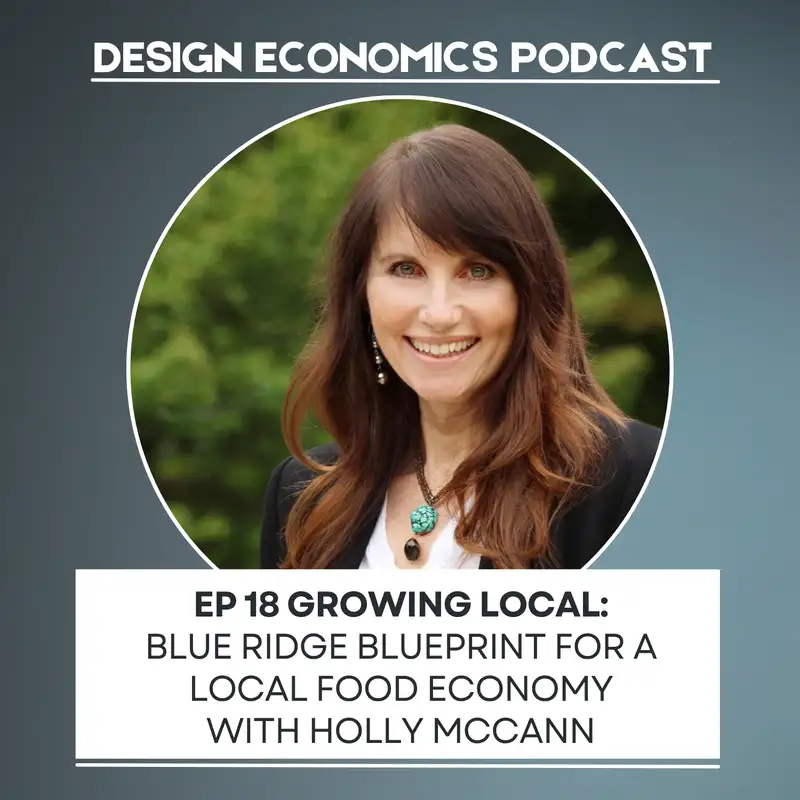
EP 18 Holly McCann: Growing Local; Blue Ridge Blueprint for a Local Food Economy
The first thing you hear is, oh, but organic food or local farm food is more expensive. I can't afford it. The price of conventional food is artificially deflated so extensively that people have no idea what the true cost of food actually is anymore. And so, of course, if that's being subsidized continually and and incentivized, that's gonna be the the price driver. But what we're seeing now is if you really take all those perverse incentives and subsidies out and and account for the externalities of the damage that's being done to people's health, to the land, to the environment, to industrial ag, and all that sort of thing, all that's taken into account, regenerative local farming would be head and shoulders above in terms of value and price.
Holly McCann:The cost would skyrocket for conventionally grown food, but nobody understands that.
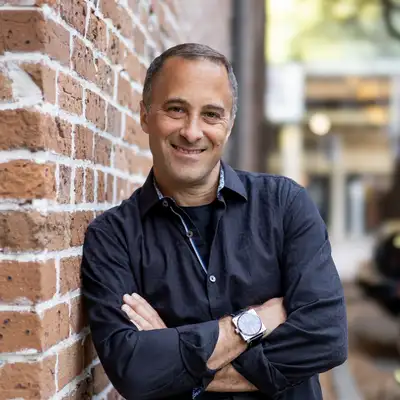
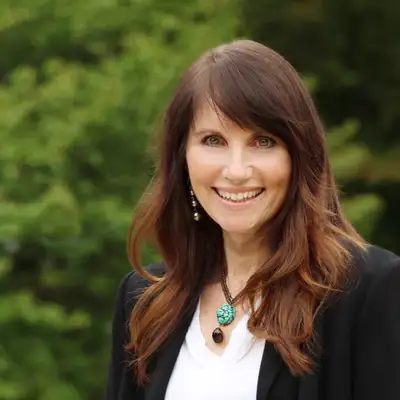
Vinny Tafuro:Hello, and welcome to episode 18 of the Design Economics Podcast, where we explore how design thinking driven by data is revolutionizing economics for the twenty first century. My name is Vinny Tafuro, a futurist, economist, and your host for this episode. My guest today is Holly McCann, cofounder and core steward of Blue Ridge Food Shed Commons, a public benefit company catalyzing a self sustaining local food economy in Western North Carolina. Holly is a former Silicon Valley corporate attorney turned regenerative systems designer, and she's asking one of the most grounded questions in economics. How does a region with 5,000 small family farms end up sourcing only 4% of its food locally?
Vinny Tafuro:And what does it take to change that? Our conversation explores the systems design, governance, and capital model behind the answer. Before we begin, if you find value in these conversations, please consider supporting the Design Economics Podcast through our Patreon @patreon.comforwardslashEvolveEconomics or donate at our website evolveeconomics.org. And with that, I hope you enjoy this conversation with Holly McCann.
Holly McCann:Thanks so much for the invitation. I'm happy to be here.
Vinny Tafuro:It's been a pleasure to, get introduced to you. Our mutual friend, Andy, Graham with, Big C Design introduced us, and, really looking forward to learning more about how what you're doing, and how that gets implemented in Northwest North Carol or or Western North Carolina Right. On the ground. So maybe go into a little bit about your background, what brought you to what you're doing now with the food shed, and kinda where you started off to get there.
Holly McCann:Yeah. Crazy winding journey that has now culminated in this. So this is my going on fourth career, I'd say. My first one was as a lawyer. I was the vice president and general counsel of an HMO in the early days of HMOs in the Silicon Valley.
Holly McCann:Did that for ten years. Really loved what I was doing, but I felt like I'd taken it about as far as I wanted to. And I was also feeling very unfulfilled, stressed out, working all the time. And my young family, I had two kids that were three and five, and so we moved across the country to Chapel Hill, North Carolina. And two years later, I decided to leave the law, leave corporate, and open a stationary boutique.
Holly McCann:So sort of filling this, you know, was let me see what, you know, Main Street, brick and mortar business looks like. Let me do something entrepreneurial, creative. Did that for twelve years. Four years in, I opened a second one in Charlotte. So it was really like, how do I create systems internally because these stores were not some they're three and a half hours apart, so I couldn't really be jumping back and forth very often.
Holly McCann:So did that for twelve years, took it to the top of the the niche that I was in, and then again found myself feeling stressed out, unfulfilled, unhappy. So I'd be like, oh, let me change careers again. And so I went into coaching and consulting and really working with business owners. And, you know, what success actually look like to you? How do we bring in sort of heart centered systems and, that really engage your staff and teams and all of that?
Holly McCann:So at the same time, around 2014, kind of every area of my life pretty much imploded. And it was one of these situations where I was like, oh, I can't actually fix this this time. I can't just make it work. It was a total surrender, total I call it the dark night of the soul year for me. And really kinda blew up my whole life.
Holly McCann:And in 2016, moved to Boulder and spent the better part of the next seven years diving deep into nature based systems. It was very much a personal slash spiritual journey for myself, but also always this abiding question of how do we lead differently? How do we lead businesses differently? How do we organize ecosystems of businesses that align with nature's principles and realize that we aren't separate from nature? Our nature.
Holly McCann:So how do we, like, consciously align with that? And it's just it was this huge inquiry that had me traveling around the world living nomadically with startup team after startup team in regenerative spaces and really consciously analyzing what happened that would cause the teams to break down, what were the power dynamics, you know, and really seeing that it's a combination of the internal sort of wholeness and integration that's happening and the wholeness and integration of a whole ecosystem within the business and between businesses. So that kinda led me into 2023. I decided I really wanted to set down roots and grow community, and that's had me sort of surprisingly and landed landing back in North Carolina in Asheville in the mountains. And after the hurricane really just started, I'm like, alright.
Holly McCann:There's something really special here. Throughout all the times that I worked in these regenerative systems and businesses and startups, always knowing that we needed to start with food. And so this is where I've sort of, through a whole series of beautiful synchronicities, ended up. So, yeah, we can talk much more about that. But that was sort of the winding meandering path that got me here.
Vinny Tafuro:Gotcha. I appreciate the winding path. It seems so it really was there just a I'm kind of I I'd like to try something new more than one, you know, there wasn't like a, oh, I just wanna, like was it just the end of the Silicon Valley era, etcetera? It was just kinda like this kind of exploring curiosity more than anything, it sounds like, which resonates with me. Think that's a lot of I was told early on in my career, you know, focus on one thing, and I was like, that's not fun.
Vinny Tafuro:You know? I appreciate that kind of curiosity journey.
Holly McCann:Yeah, that was very much a part of it. You know, I've learned that I am a seven on the Enneagram, is the epicure, and you wanna taste a little bit of everything, and that's definitely been my journey. And it provided sort of wholeness of corporate, legal, small business, entrepreneurial retail, information marketing, coaching programs. I mean, I had talked about the the roundtable experience of business, and leadership in all those different arenas.
Vinny Tafuro:So I guess, this kind of looking at starting with food, and this is something I early on in this journey for me, I founded the Conscious Capitalism Florida chapter. And early examples that we were using, this is in 2013 or so, Chipotle and Costco at the time were starting to offer organic foods and Whole Foods was starting to or Whole Foods, one of the things I noted way back then was like they would work with organic farmers over the course of five years. Whereas a lot of like local restaurants or like your local like organic grocer would be like, hey, if you're not organic we're not gonna buy from you whereas Whole Foods at the time had kind of the scale to be able to work with people. So even though a lot of my work has been worked on social capital, there was this early kind of interest in how food production was going and I think what I'm curious about is what that intersection is and I think that's in reading about the food shed and what you've been doing is there's this really interwoven fabric of food, organic food and local and the social capital that it builds as well as environmental capital.
Vinny Tafuro:So maybe you can go into, as we kind of go into this first section of our conversation, is usually around paradigm change. And so what's what have you seen change over the last decades? How how have we landed where we are today? And what's what's the landscape of where we are today compared to previous?
Holly McCann:Yeah. Yeah. Terrific question. So it's really we're at a massive inflection point right now. I feel like it's getting very, very exciting because, you know, in the early days of there was sustainability and then sustainable ag, and then it's really shifted into regenerative agriculture.
Holly McCann:So the regenerative movement really started in food and farming where, farmers were realizing, like, what are we doing? We're we're killing our our land, ourselves, our food. You know, we need to do something different. And that started to cause a wholesale shift, but very few people knew what that was all about other than those who were in that regenerative farming space. And then, I'd say in 2014, a friend of mine reached out and he said, Holly, I've got this book that you have to read.
Holly McCann:It's saying all the things you're always talking about. And, it's called Reinventing Organizations by Frederic Laloux. And it was sort of that seminal, like, bringing these principles into organizations. And I was like, yes. Somebody else out there is looking at these things, and there are actual corporations that are thinking this way and starting to to experiment with this.
Holly McCann:And and I'd say for the better part of ten years, it was a long slog to really, through a sea of a lack of awareness of what these principles are all about. And most people would look at me like I had two heads, and what are you talking about? And this is crazy talk, and how are you ever gonna do that? And that might work in food, but it doesn't work in corporate. And I would say in the last two to three years, there's been a huge resurgence, I'd say, of now it's getting the attention of consultants, investors, corporations.
Holly McCann:You know, it sort of jumped the track into those kinds of realms where I'm like, alright. Now we can really move something forward because, you know, without all those other systems around you from a whole system's perspective, you can't just move forward with one aspect of the system. So now, like, the other players are jumping on board, and there's been a and it's still, like, wading through the wild, wild west of how much is greenwashing, how much is real, you know. So it requires a lot of discernment, but it's invigorating to
Vinny Tafuro:see
Holly McCann:how much the energy and attention is really starting to take hold in that regenerative space.
Vinny Tafuro:So maybe from there, you could talk a little bit about what's going on in Western North Carolina, the the the situation kind of on the ground there that you guys are addressing, what the problems are systemically there.
Holly McCann:Yeah. Yeah. So, Western North Carolina is really special in that we have 5,000 small scale family farms in this area. And this we don't have the type of land that would be conducive to industrial ag. So, fortunately, we don't have much of those big, big conventional, farming operations here.
Holly McCann:Most of them are family farms that are run on, you know, anywhere from two acres to, like, 200 acres maybe at a max kinda thing. And they're doing what they know to do that is more in alignment with whether they're certified organic or regenerative or biodynamic, whatever. They're operating in that way by and large.
Vinny Tafuro:Is that top is that topography wise? I mean, I've I've looked. So like because of the higher topography and terrain in in in that area, you don't have the ability to just wipe out, you know, tens of hundreds of acres for Correct?
Holly McCann:Yeah. There's very little contiguous, large acreage of flat land. So it's yeah. It's a lot of carving out little flat areas where you can in rolling hills or mountainous regions. So yeah.
Holly McCann:Typically in the mountains, there's much more ranching and, and livestock ranching and Christmas tree production. This is like the the big area in in the high high country. But, yeah. So there's a lot of these smaller farms dotted around, the whole area, and we have a unique sort of middle, supply chain infrastructure with 10 really well done food hubs that have come up over the last decade for a variety of reasons. But that means that we have cold chains capacity where we can have these large refrigerators and freezers, walk in coolers, and refrigerated transportation, warehouse space.
Holly McCann:And and so these food hubs are these incredible aggregators and distributors of getting the food from the farms to the purchasers and consumers. And actually, we don't even like to say consumers, eaters of food.
Vinny Tafuro:I saw that in one of the chart. I'm like eaters. I'm an eater.
Holly McCann:Yeah. Everybody's an eater. Right? Yep. It feels so much better in your body than consumer.
Holly McCann:I'm just out there consuming everything. Yes. Yep. So we've got this infrastructure, yet we also have a large food insecurity population, that is getting worse and worse, which is not unique, but it's definitely felt here, in this area. And so, we're like, this doesn't make any sense.
Holly McCann:And then when you look at produce farming, they have an oversupply. They are growing so much food that they need more consistent sales outlets for. And then you look at the the meat ranchers, and they're saying we have 50 person long wait lists. We can't produce as much as the demand because we're constrained by land. And so we're having to like, how do we get more land so that they can especially when they're doing it in the ways that we want them to do, which is beautiful grass fed.
Holly McCann:You know, they're not all crammed into an area, so they need lots of land, and that's become a constraint that we're working towards. So then we were looking at there's a lot of activity in probably a massive concentration of nonprofits in Western North Carolina, and a lot of them are addressing food insecurity, and there's a large food bank network and pantries and things like that. But what we've been seeing systemically is that it's it's such a a cycle that just perpetuates itself, that just more and more charitable contributions are needed over and over and over to keep that going, And the problem just keeps getting bigger. And so I'm always saying that how do we get to the absolute taproot of the problem? And it feels like what that is is aligning the entire food ecosystem around a local food economy.
Holly McCann:Meaning that we have everything that we need to do this, it's just that it's all operating in silos, and a lot of the food, the money, the energy is going outside of the region. So how do we keep that all circulating, not in a confining way, but like integrating the different players into what looks like a more of a natural living organism of an ecosystem as opposed to a bunch of siloed, you know, the whole playbook of we've gotta grow and scale to make maximum profit and, you know, and realizing that everybody's trying to do everything on their own. That leads to a lot of competition, and you've gotta be better than the next guy. And, you know, how much more can I extract than the other one? And so it's just leading to these really perverse incentives.
Holly McCann:So we're looking at a wholesale transformation of how we operate individually in our businesses and together across the stakeholder ecosystem to really integrate that in a way that looks at that rising tide lifts all boats kind of approach of realizing that it's not how do I do better than the next guy. It's that by me supporting the other, business or person in this ecosystem, the ecosystem improves. I'm a member of the ecosystem. I receive benefits from that, and it just continues to reciprocate that way.
Vinny Tafuro:Yeah. Was the food shed, established?
Holly McCann:Just a year ago. Yeah.
Vinny Tafuro:Just a year ago. So it was after Helene. That's what gonna so I guess what was learned leading up to him because of Helene as kind of a catalyst is if that was the catalyst or or how that kind of what was going on? What happened then to stress the system to, like, establishing the food shed? And I guess, you know yeah.
Holly McCann:Yeah. So Helene was one of the, I think, most potent things that's ever happened to this region for the good and the bad. It was as a true catalyst does. Right? It really, shook this place to the bedrock.
Holly McCann:And what we saw instantly was that those food trucks that are trucking in 96% of the food that comes into this region couldn't get over the mountain. And then everybody was like, oh my gosh. There I can't get to the grocery store. Maybe there's no power in the grocery store, no food on the shelves. But what was happening naturally was that these food hubs that had these large coolers, they had the farm food there.
Holly McCann:Andrea, my cofounder, she was running a food hub at the time, and she had farmers calling her saying, hey. Do you do you have, you know, power? Can we bring our food there rather than it rotting here? Excuse me. So she had a generator like contributed to there.
Holly McCann:So they were able to keep their coolers cool. And she was telling all the farms bring your food here. So they were all bringing the food there and then feeding tons of people every single day out of this food hub that all the neighborhoods from miles around would come to be able to to be fed. And so that was sort of, you know, obviously there was a lot of tragedy and devastation to people, property, land, all of that. And some people will say, I was living my best life in that moment.
Holly McCann:You know, we were all sort of chipping in together. What I saw sort of looking from a distance was every single neighborhood in the region was doing what ecosystems do. What do you what do we have? What do we need? You know, I have this.
Holly McCann:Oh, I need that, you know, and it was like everybody pitching in, and it didn't matter. Your political affiliation, your religious affiliation, you know, people were showing up with chainsaws and, you know, and, and it was just happening in a self organizing way, which is what a healthy ecosystem does. And then we saw sort of as things started to get anywhere close to normal, that pressure of like, okay, I've gotta go back to my siloed existence. I've gotta go back to my job. I've gotta, you know, put food on the table, make the bread.
Holly McCann:And and so it sort of entrenched back to that, like, old default system. But what we saw was the potential of there, that that mountain spirit that just wanted to collaborate and help each other, which I believe is the true human spirit Yeah. That was brought out there. So it was really an eye opener. The one thing I would share is that there was a quote, from a Kenyan farmer who said, everybody thinks we're food insecure, but the western civilization is the most food insecure.
Holly McCann:If the truck can't make it over the mountain, you don't eat. And it was like Yeah. We absolutely experienced that in hurricane Helene.
Vinny Tafuro:Yeah. That is so, yeah. So, really, you give this, like, glimpse of, like, what could be or even, you know, a lot of it too is is what it used to be. You know, it was only you know, I remember because, you know, when I first started talking about organic food and I'm like, yeah, they I was like, my grandmother ate more organic food than me or my parents because it was just food back then. So I guess, so is that, so then what brought you and your co founder and the group together to actually form the food shed and I guess this is probably a good transition too because to this second tenant of creativity.
Vinny Tafuro:So it's like we've got this, you know, the paradigm has to change. You can't eat. Know, we don't eat. What was the kind of genesis moment or how that all came together for the food shed?
Holly McCann:Yeah. So actually immediately after the hurricane when I started seeing all this, I was like, wow. For years, every time I would go out there trying to explain this living organism model, people would say, well, where do you see this actually being implemented successfully? And none of us had really had, like, a case study to point to that was like, look, they're doing it really well there. I mean, you'd have farms and things like that, but not like a whole business or ecosystem of businesses.
Holly McCann:And I was so I was connected to John Fullerton of the Capital Institute on LinkedIn. And so I reached out to him and I said, John, there's something really special shaping up here. I think we have the makings to really land a regenerative model that all of us could point to. And so I said, where where do I go to bring resources into this region for this? And he pointed me to, excuse me, the BioFi project, which I had not heard about yet.
Holly McCann:And it's all about bioregional, biocultural finance that had just launched months earlier. And I got the book and was like, oh my gosh. Yes. This is everything that aligns with what I've been doing was sort of like, how do we integrate the horizontal? How do we bring these multi stakeholders together around a shared purpose?
Holly McCann:And then the BioFi project was like, how do we bring the funding, you know, down to the grassroots initiatives in a bioregion? And so that was sort of this perfect intersection of what we needed. And I quickly became a part of the BioFi Cultivator. They invited me to be in the six month experience with 20 teams from around North, Central, And South America. And all about how we implement these bioregional financing facilities.
Holly McCann:And so I was sort of like, okay. We can do this on a whole systems way. We can address food, water, energy, transportation, and so catalyze something called regenerating ash fill. And quickly through a lot of magic and synchronicity, this team came together, and we spent the first few months after the hurricane really diving into these principles and how we could implement them here. And for a variety of reasons, it just disbanded.
Holly McCann:And what I realized looking back is, like, that was too big of a of a bite out of this. Like, we need to bring it down like one more layer from the macro to the micro. And what I'd already been talking to people about and seeing is that, again, we need to start with food. So that was right about the time that I met Andrea, a cofounder who'd had this Mother Earth food food hub for the last thirteen years. And we just instantly connected, and we're sharing our views that this region has everything that it needs.
Holly McCann:Sorta, what if we came from this abundance principle that, you know, when you align with nature, nature provides what is needed. And we just really connected over that. And then I was sharing some of what I'd been developing through my work over the years. She was sharing what was happening in the food system, from a deep level, and and we just were like, okay. We need to do something together.
Holly McCann:So that was the genesis of it. Yeah. Just about a year ago.
Vinny Tafuro:Wow. So I guess in in looking at that, what is the kinda value proposition of the food shed? What is the structure of it? Like, so so you two, like, let's let's do something. How'd you decide what to do?
Vinny Tafuro:Because you're you're you're what's the the legal structure? Like, what what what was that next step of, okay, well, that was a great talk. What what do we start with?
Holly McCann:Yeah. So it started with a lot of deepening our personal relationship and sharing our experiences and belief systems and that kind of thing that just really created more and more coherence, but also a lot of talk about the food system and regenerative principles and living systems principles and all of that. And where we started was she had been a part of getting a $1,000,000 grant from the American Red Cross to provide food boxes to food insecure population after the hurricane. And that was about to run out, and she wanted to extend that. So we were brainstorming about what this could look like if we just continue to amplify the charity coming into the region that could then be used to buy local farm food to create these healthy food boxes going out to the population that was having challenges with getting access to food.
Holly McCann:And so we started something called the Farm Food Access Program. And, but then through more and more conversations, more and more looking at what that taproot really is, we're like, okay, we've gotta go deeper. And it's not just connecting charity and, you know, food insecure populations and bringing in local farm food instead of just donated highly processed food. It was like, let's go the next layer deeper. What do our farms actually need to thrive and and even survive?
Holly McCann:And they need consistent sales outlets. So then we were like, alright. This is really like, how do we start getting these economic incentives aligned differently to drive more and more purchasing of local farm food from many constituencies. And that's what, you know, sort of continued to kind of gel and emerge in our field. Because that's the thing about when you're operating from a living systems principle, It's not like, I have an idea.
Holly McCann:I'm gonna go make it happen. It's sort of like there's a lot of emergence of like, we have no idea what we're doing, but there's some kind of energy here. So how do we keep talking and listening and tuning in to what's wanting to to surface? And then that's when we were looking at, okay. Well, we don't necessarily wanna be a five zero one c three.
Holly McCann:It has a whole lot of, weight, and, you know, bureaucracy and things like that to it. How do we be more agile and more nimble, but still within that sort of social impact construct? Because we also didn't wanna go the other side of being like a c corp and just all about our profitability because we weren't in it for that. We were in it to create a system transformation, not to get rich off of this company. And so we landed on, after researching the field of, like, what even exists out there that will let us do what we wanna do, the closest thing was a public benefit LLC.
Holly McCann:And North Carolina doesn't have a statute that allows for that, so we filed in Delaware. But then we were also quickly after that, John Fullerton actually had a webinar from Capital Institute with Natalie Reitman White, who had taken a company called Organically Grown into a perpetual purpose trust, which then a couple years later, Patagonia shifted into a perpetual purpose trust model that made a lot more headlines. And I I had not even heard of it until then, and I was so lit up. I was like, this is the thing that will allow us to do this because even as a public benefit LLC, we're still technically a for profit. We still could just be like, oh, we're just gonna extract the surplus for ourselves.
Holly McCann:And so we were like, how do we create the system where we couldn't ever do that? And if we left the field and someone else came in, they could never take it and commercialize it and make it just for private benefit. How do we really lock in that mission of this is for a thriving local food economy? And so the perpetual purpose trust is being drafted now that will own a 100% of the voting rights of our LLC so that at any point in time, no one could ever come in and divert from that core mission. There would be all these sort of safeguards in place.
Holly McCann:And what the PPTs do is they actually separate, money from control, which is where we get everything locked up right now in the extractive world. Right? So like in Patagonia's case, they created the perpetual purpose trust that owns a 100% of the voting stock. And then they have the five zero one c three, Holdfast Collective, that has, 2% oh, sorry. 98% of the dividend rights, and that other 2%, I believe it is, goes to the PPT just for administration and that kind of thing.
Holly McCann:But it really separates, like, the one in making the major decisions of strategic direction is not the one that's benefiting financially from those decisions, and that changes the dynamic entirely. So we're super excited about having this legal and organizational structure that allows and creates that regenerative flow as opposed to the extractive.
Vinny Tafuro:Nice. I I recently interviewed for one of our episodes, Mira and Oca. I don't know if you she owns OkaQuadix. They're a swim instruction school in Miami, and they two years ago, they did her exit from that was to an it is a perpetual purpose trust, but in that case, it's an employee ownership trust and it's geared towards that part of, you know, I guess, so in the scheme of things, so where Patagonia, the nonprofit got 98% of the returns for the EOT for Oak Aquatics, the employees get those returns and the administrative function functions under the constitution quote unquote of the trust itself. So this can be done as a startup as well, not just an exit of a successful company.
Vinny Tafuro:And so I guess you're in the process of doing that. The purpose company though is still kind of being shepherded by you and your co founder. And I guess what is the value, what is that doing now? Is it kind of, the perception I have right now is it's kind of the orchestrator, for lack of a better word, like what's the role that the food shed plays? Because you've got these hubs, you've got farmers, you've got eaters, What's the food shed part of that?
Holly McCann:Right. Right. So I saw Mirren at there was a perpetual sorry, a purpose trust ownership conference in Austin not too long ago, I think in February, and she was there presenting about Oak Aquatics. So, and that was really the by and large, a lot of these PPTs are employee ownership trusts, and a lot of them are conversions because it's fairly new in America anyway. It's been going longer in Europe and The UK.
Holly McCann:But we, from the outset, were like, no. We need to start with this. And then also, we're basically taking if you imagine employee ownership and convert that to stakeholder ownership, so you take it to the next macro out. So rather than being within one corporation, it's that multi stakeholder approach from an ecosystem of businesses. So all the food shed stakeholders are essentially the equivalent of the employees and an employee ownership trust.
Holly McCann:So wanting to make sure that that everything is being that is being created and the surplus that's being generated by this initiative is going back into the food shed. So, you know, we could start Andrea and I are the two members and member managers of the LLC. And we will start with you have to have a minimum of three trust stewards, it's called, on a trust stewardship council. And this so people could say, well, if you guys are just the ones running the PPT and the LLC, where is this oversight, you know, coming in? But our our long term plan is that that trust stewardship committee council will have a stakeholder representative from each of the sectors.
Holly McCann:So farmers, ranchers, food hubs, local institutions, restaurants will all have a seat at that table. So all the key players in the food shed will be the governing body over this perpetual purpose trust. And then the LLC will be more the that central organization that is the one organization that's looking at the whole, and how do we, like, continue to integrate and bring funding into the the food shed. And so our role is really as this catalyst to integrate the different key players because as I said before, no matter how collaborative in spirit you are, our whole economic models drive you into the siloed existence. And in order to survive, you have to compete and get better and bigger and all of that.
Holly McCann:But what we're doing is how do we invert that and how do we integrate from first the relational field. We have to have a field of deep trust and understanding and and familiarity with each other to be able to truly collaborate and even cocreate together. So we're starting with that. That's part of the integration. But then looking at how do we streamline logistics, transportation, distribution, how do we share coolers or warehouse space or that sort of thing.
Holly McCann:So ways in which we can drive the inefficiencies out of the system, but also realize a lot of gain and de risking from working really in a connected, interconnected way together. So that's a big part of our role. And then also just to bring in the funding because from the BioFi approach, you know, are all these funders out there in the world, but there's not a connection with the grassroots players on the ground. So we're sort of providing that intermediary where we're continuing to cultivate these relationships with aligned funders and then tell the story of the food shed, but then also developing these deep relationships with the individual players so we can speak to them, to these funders. And so we'll be that that go between that brings the funding in and helps from an integrated way.
Holly McCann:We're not just funding individual players necessarily. We're funding multi stakeholder initiatives that drive the
Vinny Tafuro:system So in in one of the things I touched on and I or that I saw in some of the stuff that I read through before this, and and I think you touched on it earlier too about institutional buyers. Because I guess what is the you know, you see farmers markets, you know, I think people have kind of become used to seeing that, you know, on the other Saturday morning market, there's a produce stand, but and you can you can sign up to buy things, but what role do institutional buyers in a in a region play? How does that get set up? And what's left over for for the the the kind of single family purchasers and eaters and whatnot? Like, how does that kind of ecosystem from the consumption part of the equation, how does the food get utilized?
Holly McCann:Yeah. That is one of the things that we quickly saw that that's gonna be one of the key drivers of this shift because, yes, people, you know, we think, oh, there's these farm to table restaurants that are really great in Nashville, which are phenomenal. We have lots of farmers markets. They're fantastic. That's what that's not gonna drive us from 4% up to 25, 50% local food procurement.
Holly McCann:It's really, like, what's being left on the table is those big institutions, hospitals, universities, school districts that are all purchasing primarily from distributors like Cisco, Aramark, Compass, things like that. And those models are very much like, how do we get the most food at the lowest price in the door here? And it's it's not to condemn anybody or criticize anybody. That's the model that's been set up. And many of them in sort of anecdotal conversations will say, we want to buy more local farm food.
Holly McCann:And there've been lots of, like, attempts and and initiatives and started around that. But when we took a step back, we were like, okay. What we can't just have, expect that the institutions will just flip a switch and say, okay. Now we're gonna just start buying from farmers. You know?
Holly McCann:Do we have the infrastructure that that gives, you know, them what they need? So from the purchaser side, we found that we're saying, hey, we can go on and and place our order in, fifteen minutes every week. It's an easy system. I have my account. I just go in.
Holly McCann:Boom. Boom. Boom. Boom. It's done.
Holly McCann:And so we're like, okay, we need a tech platform that on the front end, they can easefully place their orders for what they need. But then on the back end, we need a tech platform that will allow us to fulfill those orders across multiple food hubs. Because especially when you start talking about the volume of food running through a university or a school district, no one food hub is gonna be able to meet that demand. But we integrate them with a tech platform. So that's one thing that we're like, all right, we need to, you know, and it doesn't necessarily look like one tech platform that all food hubs use, but one that can integrate the different systems that the plat that the food hubs are using.
Vinny Tafuro:The other So there's on on a back end, there's an EDI or a data exchange that will allow multiple food hubs to talk to the same central kind of system then.
Holly McCann:That's exactly right.
Vinny Tafuro:The
Holly McCann:other big sort of barrier to really expansive institutional purchasing is what's known as GAP certification. So it's good agriculture practices that really look at the health and safety of the food. And that primarily revolves around being able to trace the cold chain. Like, this when it left the farm, has it sat out in the sun too long? You know, how has it maintained that cooling, you know, the whole way along through refrigerated transportation, cold storage, things like that?
Holly McCann:And that's a whole, like, rigorous certification requirement that these institutions need, rightly so, to protect the safety of their constituents. And so it's not super practical. It's quite expensive and burdensome for every individual farm or every individual food have to go get GAP certified. So we're looking at how do we do this as a system that that we work together around processing facilities that can do light processing. So taking in this produce and then making tomato sauces, spaghetti sauce, sweet potato purees that the schools need to be able to serve, but that it's maintaining that health and safety.
Holly McCann:So we're really looking at, you know, at a as a system, we need to be GAP certified to meet those requirements. So there's all these things that we we can't just say, oh, it's simple. Just you should just be buying more local food. We have to, you know, be the alternative to a Cisco or a Compass, but not even be an alternative. There's a potential that we could align with them and and work with them to say, like, what if you are distributing, you know, more of the local farm food?
Holly McCann:And it gets complex because a lot of these, procurement contracts are multiyear contracts. So even if somebody says, yeah, we definitely wanna do that, you have to wait until the contract runs out to amend it. And so it's really a a systemic challenge, but it it's one that has to be solved because no one individual player is gonna be able to solve it on their own. So that's one of the biggest priority initiatives that we're looking at.
Vinny Tafuro:Gotcha. So the GAP certified, I'd like to dig into that a little bit because it's new to me, other than, you know, when you first said it, I was like, wait. Is this like the GAP from non organic to becoming an organic certified farm or not? And it sounds like that's not what it is. So a little bit is that an agency that does that?
Vinny Tafuro:What is that compared to state or regulatory food inspection type things? Like, what's the overlay there, the overlap or not in those?
Holly McCann:Yeah. Yeah. Actually, it is a government certification. And I'm I believe it's USDA, and right now I'm questioning that, so feel like don't quote me on it, but I think it's the USDA. But it is a whole rigorous set of standards and documentation and audits and things like that that you have to comply with.
Holly McCann:And there's some great resources here, some institutional nonprofits that are providing support with that and that sort of thing. So it's something that is doable. It's just that it'll work much better and be much more economically feasible if we're doing it together. Yeah.
Vinny Tafuro:And you said, like, even, like, working with some of the national distributors. Are they are there conversations that you've had in the region with that on on being able to kinda are they open to, oh, we we can distribute from any source as long as we, you know, can work it into our chain? How does how does that how does that conversation going?
Holly McCann:So we haven't talked directly with them yet. We wanted to really get our ducks in a row before doing that, but anecdotally, we've been hearing, like, Aramark, for example, apparently has sort of a, what am I trying to say, like a small section of their business that they're devoting to the higher end universities that they're like, okay, we wanna bring organic food into, or grass fed beef into these universities. As, you know, I imagine, also a draw for them, you know, that can be put out there as a as a marketing, you know, advantage. Absolutely. So they're seeing that like, oh, there's a lot more attention and demand increasing for regenerative and organic and healthy whole food.
Holly McCann:And so there in many ways, that's attractive. And so I think there's probably a mixed bag. There's some that are seeing that, like, oh, we need to to be there and meeting this demand that's so far still a small subset because still price is driving a lot of this price over quality. But I think that there's some too that are like, this is gonna threaten our whole business operation, and we're gonna shut this down. So we're sort of trying to tread lightly of like who can we align with that sort of sees that this is a a good thing for them and wants to work collaboratively with the farms and food hubs.
Holly McCann:And who is, you know, going like no way, no how, this is our model, it's about price and price alone and this is gonna threaten that. So we'll see.
Vinny Tafuro:Yeah. It's interesting because I I know, you know, fifteen years ago when I first started digging into this stuff, organic or not organic, was a politically charged question. And the beautiful part is we've moved past that in a lot of ways and I think I had a thought that I'm trying to recapture, but in looking at the food supply chain, so like hospitals, for instance, and universities, and this is where it was, was Live Nation, despite their ticketing shenanigans, with their venues, one of the things I discovered was they, I think it was over ten years ago now, that they started trying to source their produce from within a 100 miles. And it came from the CEO recognizing the eating habits his family had at home and going, wait a second, our customers may want this. And I know we have sporting arena here that they no longer have the space to do it, but they were hydroponically growing like an acre of food for their catering business on-site.
Vinny Tafuro:So, you know, finding these different inroads to different organizations, I'm glad to see it happening, and it does seem like they are getting more open to it as they realize that there's a consumer demand for it.
Holly McCann:What Yeah. And it really is an awareness game, though, because you can say we wanna source within a 100 miles, but if you're sourcing from a massive industrial agricultural feed lot and saying, well, that's local, you know, it's like, well, there's local geographically, and then there's, you know, industrial ag versus small family farms that are doing it in a different way. So it's a lot of education. You need both.
Vinny Tafuro:So, a little bit, I want to move into kind of this third tenet and kind of the, you know, what we call economic literacy and kind of the messaging, and I think there's a little bit of a crossover here. We had, in January of this year, I interviewed John Feldman, is a filmmaker and did a documentary called Regenerating Life, and it was, one of the things was how farming processes that are not monoculture can regenerate soil, and so we were talking about how using documentary film as a way to teach larger concepts of things. And I kind of look at this, what's the food shed, so we looked at the institutional side on that creativity, what does the food shed role play in in kinda meeting the people of the region, and all the stakeholders, whether it be the families that are eating food, to the farmers, etcetera? How is that conversation happening regionally, and and what role do you guys?
Holly McCann:Yeah. That awareness is gonna be and is a huge game changer. Because when you really look at so many things, I mean, single aspect of food, local food and farming from smaller scale family farms is healthier. Healthier for the physical body, healthier for our economy, healthier for the land, and people just really don't have any awareness. We're not taught to look at that.
Holly McCann:And also, so many of the what's happening in the economic incentives around industrial ag are hidden from awareness, unless you really dig in and try to understand what's happening. The subsidies that are happening all day long that create really perverse incentives that keep you know, the first thing you hear is, oh, but organic food or local farm food is more expensive. I can't afford it. But it's artificially the price of conventional food is artificially deflated so extensively that people have no idea what the true cost of food actually is anymore. And so, of course, if that's being subsidized continually and and incentivized, that's gonna be the the price driver.
Holly McCann:But what we're seeing now is if you really take all those perverse incentives and subsidies out and and account for the externalities of the damage that's being done to people's health, to the land, to the environment, through industrial ag, and all that sort of thing. All that's taken into account, regenerative local farming would be head and shoulders above in terms of value and price. The cost would skyrocket for conventionally grown food. But nobody understands that. Like, what do you mean local farm food?
Holly McCann:I go to my grocery store and it says local or it says organic and that, you know, they have no idea. And so more and more exciting things are coming out with information that will bring more awareness scientifically, aesthetically. So there's a company called Audacious that is doing really beautiful nutrient density testing from a very scientific rigorous standpoint. But then what they're doing is then taking not just the data, but then turning that into storytelling of of how do you actually educate consumers about why it's more important to have a a better omega three to omega six ratio, what that does in your body, and what it deletes to in health outcomes. I mean, on that, there was an anecdote from audacious that shared that there was a prison that did like a I think it was a six month study of just by bringing that omega three, omega six ratio more into a long alignment, they had a 70% reduction in violent episodes.
Holly McCann:Just that one thing alone. So when you start telling these stories about this is what it means, you know, and not just the scientific like, well, this was no till or no spray. What does that mean to me? It's those kinds of storytelling things that need to happen and to, like, do true cost accounting for and when you really look at the true cost of the multi forms of capital, not just the financial, although that really is starting to be shown that, like, regenerative forms of and local farming is actually more profitable. You have less inputs.
Holly McCann:You have, more natural inputs that are helping, the the crop yield and that kind of thing come through. So there's financial, there's social, the benefits of knowing your farmer, understanding their practices and who they are at a values aligned way, being able to like see your neighbors at the farmer's market and things like that. And that sense of belonging and community connection. And then clearly the environmental, it's so much better for the land to be on these small, like like sustainably and regeneratively tended stewarded land plots that are growing this food in such a symbiotic incredible way. And then obviously the physical health and the economic health.
Holly McCann:Once you align these players in your local economy, it starts to feed back on itself, which is what a good ecosystem, healthy ecosystem does. So it's not just guilting and shaming the institutions and saying, come on, you're a community led anchor institution. Why are you not buying local food? You should be supporting your local farmers. It's feeding back to them like this is what actually you keeping that money in this area does to keep that money circulating back in in multiple forms that exponentially increases the the economic health of the region, much less all the other non financial returns.
Vinny Tafuro:Yeah. You you mentioned the true true cost accounting. Is that something you're familiar with that that you guys work with or or are using as comparisons?
Holly McCann:So it's one of the things that we're designing in as we go. There's a man that's on our advisory council that is phenomenal named Alan Booker, who's creating the Integrated Regenerative Design Institute, and it's going to be cited here in Asheville, but he has a wealth of information. He's an engineer by training, but has formed this brilliant volumes of whole systems approaches to pretty much anything, bioremediation, water restoration, food systems. And so one of the things that he has developed has been this whole I forget exactly what he calls it, like primary accounting or something like that of how you really look at the cost of something from a holistic way. Because we've been so trained out of that.
Holly McCann:There's so much happening behind the scenes that we have no idea with, again, not taking into account all the externalities and all the damage that you're doing to health, to land, all that. So when you really start looking at that and educating and storytelling around that, it start to change the game.
Vinny Tafuro:What is the true cost accounting? The reason because I had read a book, it's called The Alternative by Nick Romeo. I don't know if you're familiar with it, but there was a section in there about true cost accounting on food, and I don't know. Are there any are there any retailers in Asheville that are using that? I don't know if I'm familiar with I I don't know where he said it was, but they would actually like, some grocers or some retailers would actually list this true cost accounting cost.
Vinny Tafuro:So you would see this is bananas or 69¢ a pound, here's the true cost of what it was just to kind of bring that awareness at the purchase, location of purchase, which I found interesting. I'm gonna have to dig into that. There's actually, as an author, I wanna reach out to him for the show. I think there's some really cool things in there.
Holly McCann:I think that's where we need to head, and I think people are hungry for that. Pardon the pun. But, you know, people are demanding more, let me make my own choice, but I can't make a conscious choice if I don't have all the information. So people are more and more saying, you know, I'm hearing anecdotal evidence of people saying, I have a public school right up the street from me, and I'm not gonna send my kids there. It would be free, but they're feeding them garbage, and that and I'm you know?
Holly McCann:And whereas I'm gonna have to find a way to pay for this private school so that I make sure that my child is eating things that are closer to what I serve at home. You know, all these things that people are starting to rise up and saying, this is not okay. And now that they're getting more information saying like, I'm gonna put my money in this direction or make choices in this direction. And when we start to, at the point of purchase, identifying and educating on like, yes, you could buy this banana. You know, I had a a story of of Andrea went to visit a local prison recently and was shocked to find that they were like, yeah, we'd love to explore local food purchasing with you.
Holly McCann:Our budget for meat is a dollar per pound. I don't even know if it's food at a dollar a pound. I mean, nobody can create that unless it's so heavily subsidized. You know?
Vinny Tafuro:So Yeah. Oh my goodness.
Holly McCann:That's what we're feeding the public, you know, and the people that are these constituents. So to be able to say, like, it's not just about price. Like, we've been so conditioned to put price at the center of everything. Everything's about profitability and just driving more and more profitability at the expense of life. What if we flipped that and put life as the metric at the center?
Holly McCann:And how are we measuring the addition of more and more life with everything we're doing? That would change absolutely everything.
Vinny Tafuro:Yeah, for sure. Yeah, on that awareness note, and then I have another question. I remember Chipotle early on, they did so much like fifteen years ago and then they just ran into a bunch of difficult times. But one of the things is at the purchase they would serve organic or non antibiotic raised chicken and whatnot, but if they couldn't, they would still get it and have it conventional, but they would put a note, and I love that because if you're a parent bringing your children to Chipotle and one of them only eats chicken, saying, hey, sorry, there's no chicken today wasn't an answer. But letting the parent know, hey, this is conventional chicken, you probably eat it all the time everywhere without thinking about it, but here, we're gonna tell you this is different than what we usually have so that you can still satisfy the hungry kid that is picky, but as a parent, you're now being this education point.
Vinny Tafuro:And I guess the question that that that that kind of spawned was, how does the food shed balance its role as a trust, as a profit, know, there's the company, there's the trust, there's all of this that you're doing, how do you balance your priorities and strategies? Because I know like you have this ten year plan, what is the focus now in the area and how does how do you balance that between doing all education as opposed to actually doing all the logistics and things that that are really like the the heavy weight lifting of getting the job done?
Holly McCann:Right. Right. So we started with these very clear four strategic priorities because I'm not sure if you're familiar with Buckminster Fuller, but he has this concept. He was a philosopher, a futurist, really an amazing person in the the early half of the twentieth century. And he talks about trim tabs.
Holly McCann:When you imagine a big battleship, there's something called a trim tab. And it means like, what's this tiny little thing that if you make the small shift, it can turn a whole ship in a really big direction? So we're always looking at what are those small levers that can make the greatest impact in the least amount of time. And that's where institutional purchasing is like, okay, we could be on an education campaign to all the eaters in the Western North Carolina region, and you should eat more local food. But if we don't have the the capacity and infrastructure to really drive that and realizing that that will probably bump us up a few more percentiles in the the local procurement, but it's not gonna, like, shift us in the way that we need to shift.
Holly McCann:So what are those large purchasers that can bring those consistent sales outlets to the farms, to the food hubs that will allow this to start shifting course in a big way. So that's what keeps us sort of balancing that is, you know, what are what are those drivers, but also always interspersed with how is this creating more life? How are we bringing more life back to the table? More health, more vitality in all those forms, financial health, physical health, economic health, environmental health, all of that. And that drives this whole approach that is again, I'm often saying we're just inverting everything in the conventional approach.
Holly McCann:Because conventional starts with the only way this succeeds is if you're profitable. And we're like, well, we need to shift that thinking to like, what does profit even mean? Like, what are the multiple forms of return? And what are the multiple forms of capital inputs that can be put in there? So looking at, you know, our end goal is a self sustaining regional food economy, and we're very intentional about that phrase self sustaining because a healthy ecosystem sustains itself.
Holly McCann:It doesn't need continually continual inputs from outside the ecosystem. And that doesn't mean so ultimately, we wanna be off of charitable and government subsidies, which pretty much every food system in America is subsisting on, and it's not stable. It can be, as we've seen, you know, carpet ripped out from undue at a moment's notice, and it's just not a a healthy way of doing this. So that's our ultimate goal. But in the meantime, we are really utilizing catalytic philanthropy as opposed to charity.
Holly McCann:There's a very different energy that comes with charitable contributions and philanthropic contributions. And so we need that catalytic philanthropy on the front end that gives us the breathing space to say, well, this may not create a return right now or even for ten, twenty years or maybe ever, but the system needs it. Like our organization, we're not a return generating organization. So we've been really fortunate to be able to have our operating expenses covered by, philanthropy so that we can do what needs to be done and not being like, well, how do we generate a return on this? Because that's the wrong question for what we're doing with long system long term systemic transformation.
Holly McCann:So it's this whole sort of, map that we're in the process of, like, starting to design to be able to tell the story of it's not just continual philanthropy and charitable infusion. It's not just return based extractive, you know, profit investments that we're bringing in. It's a whole, patchwork quilt of all these things that will get a flywheel going that will ultimately result in the system being self sustaining.
Vinny Tafuro:Yeah. That makes makes a lot of sense. I love the the idea of catalytic philanthropy. I know, you know, trying to, in multiple conversations, move away from philanthropic or especially charitable and the fact that it is the social sector. If you count caretaking as part of the economic ecosystem, It outsizes the financial sector, which is the first monetarily, the first GDP kind of number.
Vinny Tafuro:And so in that, one of the things in working with these institutionals then is there a way to work with them and their budgets to kind of then educate the eaters and the people. So if it's a hospital or if it's a school, that way the collective impact of advertising or awareness across the region then. Is that something you're exploring? Have you gone far down that path yet?
Holly McCann:Yeah, absolutely. That's been one of our initiatives under discussion. We were talking to a man who's done a lot of work, in The Netherlands around short food supply chains, and he was telling us about this phenomenal, project that he took on with a hospital to say, you know, give us six months to, like, increase the local food purchasing. And then in the meantime, what they would do is they would go in and they'd have surveys, right there in the the hospital cafeteria of the employees that were receiving this food, the patients that were receiving this food. You know, how do you feel?
Holly McCann:How does this make you feel eating this food? What is how does it taste like? You know, all that sort of thing. And getting their input to where by the end of that sort of project, prototype that they were working on, the hospital was like, oh, we can't stop bringing in local food. This has so many multiple benefits to all of our constituents that we're serving.
Holly McCann:And so that's what we're saying is like, we're not gonna just, again, just look at the the economics, but also like weave in, how do we create the metrics and the data to be able to feed back to these purchasers of their exact direct experience? Not just trust us, we promise, you know, your people will feel better, but actually, you know, finding ways to measure that both, you know, quantitative and qualitative that can be shown to, like, round out that picture. And we really believe that by the end of that, most of them will be like, oh, there's no going back now. What were we thinking before? You know?
Vinny Tafuro:Yeah. You know, and I love that and the fact that I think this is something the institute's working on as well, how do we make what currently is done through charitable asks just part of the system, and I think that's converting philanthropy into social capital investment instead. So I look at companies today, the percentage they give away, and you've got things like 1% for the planet which is great and it's 1% of gross revenue not 1% of profits. But when I look back you know despite their politics and morals being questionable, one hundred and twenty years ago Gockefeller, you know, gave away 10% and he called it tithing, and because it was a religious connotation. And I think as the world has moved secular, we've lost this kind of, oh, there there's a certain amount off the top that goes to that social fabric, that keeps the society functioning.
Vinny Tafuro:So I I love to see how these relationships are coming together with the food shed.
Holly McCann:Especially with the anchor institutions, I think that's really important because part of their charge as a nonprofit institution in the community is to be serving the community. So when you're only looking at the bottom line and what's the lowest price food that we can bring in, know, how are you really ultimately serving your community? And how is that money just going outside the region to bring in the
Vinny Tafuro:food that
Holly McCann:isn't even that great.
Vinny Tafuro:So before we close, what what is then the the goal percentage wise? Like you said, what, 4% right now is is locally. What is what is the goal for the region?
Holly McCann:So we've set a ten year target that people that are in this space would see say is highly ambitious. People that don't have an awareness to be like, is that all? But it's 25% of the food, like, purchased and consumed in this region will be grown and raised in this region. You know, what I get really excited about, I was I was talking to Alan Booker who I mentioned, and he said, in any adoption of anything new, there's an inflection point at about 13%. That it might be a long post log to get to that 13%.
Holly McCann:But once you hit that, it hockey sticks up. And then it kind of plateaus at the last 13%. So I'm like, okay. All we've gotta do is get to that 13%. It's not a straight line like it's taken us forever to get to four.
Holly McCann:It's gonna take us, you know, long and many decades to get to another 8%. It's like, no. Let's just really focus on getting to that 13 adoption rate and then just watch the things sort of exponentially increase on its own. And so I've secretly and, like, I think we can be at 50%, local food procurement in ten years because things just once they exponentially take off, they really take off. So we'll see.
Holly McCann:And we're also, like, not trying to come off as, like, complete pie in the sky idealist that nobody will take seriously. So sort of that comfort point is about 25%. But, again, it's it's we'll see. It's emergent.
Vinny Tafuro:Yeah. Well, you know what? I love that. And I I I'm I'm with you on the 50%. You know, I remember, you know, I think it was Simon Sinek, the first person that kind of used it in his TED Talk years ago, but the idea of the diffusion of innovation.
Vinny Tafuro:And like, you know, alright, we're at 4%. You guy we we should be able to stumble into 10% of local because that's the early, like there's this kind of thing happening with web videos with awareness to like I want more local stuff. But then there's that, okay, then there's like okay, I'm not doing it till my friends do it and you get to that kind of early adopter and then you're like okay, then you've got this kind of chasm which I guess that's that 13, you get to 13% and it's like then you've gotta jump. But once you jump, you're at nearly 20% and then it kind of becomes the norm. And I think in the conversation around organic compared to GMOs, like Walmart sells a lot of organic produce now no matter where it's shipped from, whereas fifteen years ago it wasn't even on people's radar.
Vinny Tafuro:So I'm highly in lined with you on the 50% that we can get there, and especially because more communities are gonna start it, which I think that's kind of as we close-up here, the question is, what now you started this a year ago. What's going on in the ecosystem around the country in this now? Is there other movement? Are there in you know, people reaching out to you? And with that, then leading into how do we find you, learn more about the food shed, and and connect if if people do wanna try to do this, a little landscape there.
Holly McCann:Yeah. So there are many initiatives like this around the country and and a lot of, you know, different takes. Some are really addressing food insecurity. Some are really addressing the farms and how we shift from conventional to regenerative agriculture and organic agriculture and things like that. And then some are looking at the systemic institutional purchasing.
Holly McCann:There's a huge, push now for food as medicine, which is really interesting to see. People really realizing that there's a direct linkage between the food that you eat and disease rates and health and that sort of thing. So all of these things are adding to, like, that sort of morphic field is just, you know, more normalizing this as we've gotta do this. This is crazy not to. And, yeah, we've always held the value that we're sort of a a we're focalizing these innovations, these new models in this region to be able to then showcase what's possible out there.
Holly McCann:We're careful to not say it's replicable because that makes it more mechanistic, and nature is not, you know, a cookie cutter blueprint, but there are core principles that we can share and, you know, legal and organizational structures that are conducive to this, truly regenerative flows of finance and that kind of thing that we can share out there that others could adapt in their region. And we were just at a retreat this last weekend, including with John Fullerton from Capital Institute was there, and his feedback and much of the feedback in the presentation that we shared was like, this is phenomenal. I've looked at a lot of food systems around the country and around the world, and I've not seen one as aligned with regenerative nature based principles and really like solid on the ground capacity to do this. So there was sort of this, invitation to, like, please share this more widely. There's how do we get this out there more widely?
Holly McCann:So that's happening, but it's not to say we've got anything figured out. It's so emergent. And so a lot of it is just sharing, like, baseline approaches. Like, we don't know what we're doing, but we're trying it this way, that kind of thing, and seeing what happens. But, I think that it gets exciting the more that we're all sharing the things that we're finding across all these different regions, and that's really the bioregional kind of ethos as well.
Vinny Tafuro:That's great. And I think yeah. That that's what I love about this is is there's these legal structures already exist now. It it's not we don't have to go to congress or the state legislature to pass something, you know, like B Corps in Florida passed in 2014. So it's like, we've got the state that's got it done, and if not, you can go to Delaware or wherever.
Vinny Tafuro:So it's beautiful to see all the structures kind of lying around, and now in the awareness of today being able to pick them up and reconfigure them in ways that are working to to to reach this regenerative kind of systems. So how can people reach you both personally or, you know, professionally on this for the food shed coming up and and if there's anything else you wanna kind of, like, put out there.
Holly McCann:Yeah. No. This is great. Our website is simplefoodshed.earth, and I'm Holly at food shed dot earth. You can find me there or on LinkedIn.
Holly McCann:Yeah. We love to, yeah, collaborate and connect with other sort of people that are in this space and trying to do this differently in alignment with life and and with nature based principles. So to me, that's the only way we move through this sort of multi poly crisis that we're facing here.
Vinny Tafuro:Absolutely. Yes. All that will be in the notes, and I think we've mentioned some books that I'll put. We have a bookshop.org library that we kinda put some of these books on to. And I know I've got some local farm aspects here in the Tampa Bay region that are working on stuff, so I'll be curious to dig around here with one of our board members and find out what's going on in the area, in this area.
Vinny Tafuro:Well, I'm glad that Andy introduced us and we were able to have this conversation.
Holly McCann:Vinny, I've got a couple more books to throw you away too that would love in this. One is John Fullerton just published his Regenerative Economics book, And then the BioFi book is fantastic, biofi. Earth. And then one, there was a man that I was working with when I lived in Boulder, working closely with him on food systems, and he wrote a book called Local Food Revolution, Michael Brownlee, and that is, I mean, we draw so much inspiration from that. It really lays out all the key considerations and how we can actually do this.
Holly McCann:So it's really inspiring, comprehensive take on it.
Vinny Tafuro:Excellent. Well, we'll put those in, and I might link John Feldman's January episode of this in the notes, and I'll send that to you as well to check out the documentary, because I think there's some alignments there in what that does as well. Well, again, Holly, thank you so much for being on the show, and we look forward to keeping in touch.
Holly McCann:Thanks so much, Vinny. Appreciate it. I really do.
Vinny Tafuro:We hope you enjoyed this episode of the Design Economics Podcast. If you value these conversations, please consider supporting us through our Patreon at patreon.com/evolveeconomics. Your support helps us continue bringing these important discussions to a wider audience. Don't forget to subscribe to the Design Economics Podcast on your favorite platform. The Design Economics Podcast is produced by the Institute for Economic Evolution, a five zero one c three charitable organization whose vision is economic systems that cultivate rather than restrict our human potential.
Vinny Tafuro:And I'm your host, Vinny Tafuro. Thank you for listening.
Creators and Guests