Misty Heggeness: Swiftynomics; Taylor Swift & the Women Economics Ignored
The idea of naming chapters based on Taylor Swift songs came out kind of towards the end of writing the book. So I had written everything first, then there was a couple of chapters where it just seemed, you know, clear that it would be fun to name you know, use a song title. And then I was like, wait. Could I do this with all of them? And so I think it's, like, every subchapter, you know, or subsection in in the book, except for maybe, like, two or three subsections, is, like, Taylor Swift song titles.
Misty Heggeness:And for me, I think that really just speaks to the fact that, you know, Taylor writes about our lived experiences. And I think that the field of economics is all about our lived experiences. It's how we function in the world as economic agents, how we move from a to b and the decisions that we make around that.
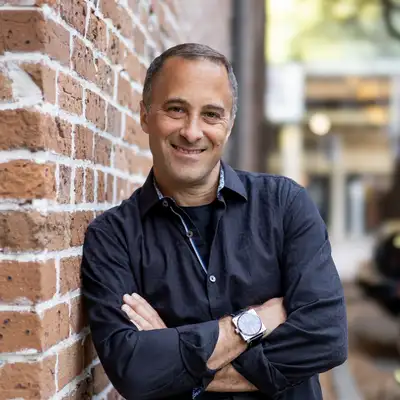
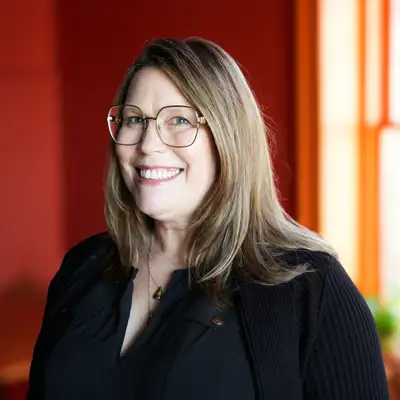
Vinny Tafuro:Hello, and welcome to episode 19 of the Design Economics Podcast, where we explore how design thinking driven by data is revolutionizing economics for the twenty first century. My name is Vinny Tafuro, a futurist, economist, and your host for this episode. My guest today is Misty Heggeness, associate professor at the University of Kansas, former principal economist and senior adviser of the US Census Bureau, and author of How Women Mastermind and Redefine Our Economy. Misty has spent her career studying what the economy counts, what it ignores, and who pays the price for the gap. Through the lens of Taylor Swift's career in songwriting, she makes the case that pop culture isn't a detour from serious economics.
Vinny Tafuro:It's an on ramp. Our conversation explores care privilege, the hidden economy of unpaid care work, and what it would mean to finally count what has always been there. Before we begin, if you find value in these conversations, please consider supporting the Design Economics Podcast through our Patreon at patreon.com/evolveeconomics, or visit our website at evolveeconomics.org. And with that, I hope you enjoy this conversation with Misty Heggeness.
Misty Heggeness:Thanks for having me, Vinny. Excited to be here.
VInny Tafuro:I appreciate you taking the time to be here. I I love, the book. I'm a tangent, I guess a fan of Taylor in many of her books and her writing and to kind of come up with this mix of pop culture and economics was really fascinating to me. I wanted to find out a little bit if we could talk about your background, where you came from, how you got to where you are today and what kind of the genesis maybe of where the book came from and how that came to be.
Misty Heggeness:Yeah. So I'm an economist by training. And after I finished my PhD, I worked in the federal government in DC for about twelve or thirteen years, all the time doing economic research, and I did that up until my current position, which is as a professor at the University of Kansas. So I teach public policy, policy analysis, and gender and economics and the economics of Taylor Swift. I have a class.
Misty Heggeness:But my kind of origin story really does start with being really fascinated by gender and the ways in which society ascribes roles to folks within families, you know, in the labor market, anywhere, you know, all the assumptions that we have on what people should and shouldn't do, can and can't do based on gender. And so my kind of career path has been relatively curvy, but it has always come back to this kind of core principle of really wanting to know, you know, how women thrive in our economy versus how men thrive. You know, what are the things that we might need to be thinking about or considering in terms of understanding, you know, how we flourish in our careers or don't? And so that's really all of that kind of, it started essentially, you know, my parents divorced when I was two, so I'm a daughter of a single mother. And so just watching her as I was growing up where she had to play both the roles of of, you know, mom and dad, both punisher and, like, you know, care provider and all of these things.
Misty Heggeness:And so, you know, I think at the end of the day, just really wanting to have a better understanding of all of those dynamics is what led me to write this book, Swiftynomics, which is really a book about, the economic agency of women in in today's society, specifically modern women. And I'm really, really fascinated with the case of millennial women. And Taylor Swift just is, you know, such a perfect muse for, providing an example of how, you know, through persistence and determination and with the right supports, you can really continue to flourish in the economy outside your home, in spaces that were predominantly built for men.
VInny Tafuro:I really appreciate the kind of the the his the tying of something in popular culture to these stories. I think it's something, you know, you're that we're nearly at 20 nearly 20 episodes now, and you're the first economist by training that we've had on the show. And it's it's funny because I've had people say, oh, which episode should I start with? And I'm like, well, you could start with the documentary filmmaker. You could start with the guy that talked about, you know, sharing in mutual aid groups.
VInny Tafuro:There hasn't been a lot of economists to come across yet. And it's it's really because a lot of the stuff we're talking about is still heterodox or outside of the mainstream. And so I really appreciate you being here and I appreciate the accessibility
Vinny Tafuro:of the
VInny Tafuro:book and the accessibility of
Misty Heggeness:Thank you for saying that.
VInny Tafuro:Taylor's writing and On my goals. Yeah. Yeah. I I mean it was something That
Misty Heggeness:was on my goals.
VInny Tafuro:But it was yeah. Because it wasn't it wasn't an academic paper that we're just talking about in theory. It was understanding that people need to be able to like download this, listen to it on their way to work, listen to it as an assignment or whatever it is and be able to actually work with it in their head and understand the connections of it. And so I think with that, I'd love to find out like a little bit before we go into, like, the main kind of bit of this is is the structure of the book itself. How did you kind of structure this idea of taking a framework of pop culture and and and Taylor Swift and tying its economics?
VInny Tafuro:So a little bit kind of that framework before we kind of go forward.
Misty Heggeness:Yeah. So the idea or maybe the desire on my end to write a book on the topic of gender and the economy really came about during the pandemic. And so I had been working as a research economist at the Census Bureau at the time. And most of my federal career employment has been around in statistical agencies and around the creation of economic indicators and statistics. So I was very well versed or am very well versed in what type of statistics we have out there today that the federal government produces to really tell us about the health of our economy, how, you know, well-being of people in society.
Misty Heggeness:And when the pandemic hit, there was a glaring gap in the statistics around mothers who worked for pay. And it was primarily driven by the fact that the Bureau of Labor Statistics every month publishes a jobs report, and they look at job creation and unemployment and all these things by gender, but they kind of stopped there. And so labor force participation of women would go down during the pandemic from month a to month b, and the media would say, oh, this is because of childcare and all the caregiving responsibilities mothers have in the home. But I was desegregating the data not only by gender, but also by parenthood. And I was noticing that mothers actually weren't the ones who were dragging down labor force participation of women.
Misty Heggeness:You know, it a lot of college age women and retirement age women who, you know, neither of the both groups without children. And so it just became obvious that we don't understand enough about the drivers of gender, how gender influences how we behave today as economic agents. And so, you know, moms today, you know, households rely on two incomes survival. If you don't wanna live in poverty or if you are not ultra wealthy, like, you need two people working at least in, you know, in bringing in income. And so moms, the careers and the jobs of moms are are ever much more critical today to household well-being than they have had been in the past.
Misty Heggeness:But we haven't changed our prior assumptions. And so something like the pandemic hits, and we know that moms are oftentimes in households to lead for childcare and for caring for family. We make these assumptions when we see economic indicators change. So that's the beginning pieces that I had wanted to write a book about the modern woman and our economy today. And at the same time, as I was developing this idea for the book, during the pandemic, you know, Taylor came out with, folklore and evermore.
Misty Heggeness:And, I'm gonna take us down a mini tangent here first to kind of step back to 2019, which is when I first kind of where Taylor Swift first came on my radar. In 2019, she published the album Lover. And on that album, there's a book called or a book there's a song called The Man. And I saw the video for The Man. And at the time, again, I had been working at the Census Bureau and a statistical agency, you know, lots of men, lots of older white men.
Misty Heggeness:And I was in leadership positions. And I'm a builder by nature, and so I love to lead and I love to build. And I tend to do it in a way that is not female and that causes lots of challenges for me in my job because, know, women are supposed to be nice and supposed to make sure you have everybody in agreement and you're supposed to like lead without people noticing you're leading them. And I'm relatively straightforward and in in a go getter and, you know, and and a builder. And so I often struggled in my jobs in the in the federal workforce because people didn't want to listen to me when I was asking them to do things like a man would ask them to do things.
Misty Heggeness:And so I really overidentified with the song, the man by Taylor Swift when it came out. And, you know, then fast forward to the pandemic, and so she's on my radar, and then she puts out Folklore and Evermore. And I was just so impressed that here's this millennial woman, you know, the majority of us are, you know, sitting on our couches, day drinking wine, trying to survive this, you know, being trapped in our homes. And here's this woman who in her craft, in her job, in her art, is out there, you know, just pushing forward and being hyperproductive. And so I just started really paying close attention to how has she thrived in her career and how does she continue to move forward.
Misty Heggeness:And I just thought there's so much to learn from her in terms of navigating in skill set. So then I started looking into her career history, and then that's really where the two ideas kind of merged for me. And I thought it would be so much fun to write a book about modern women in our economy, use Taylor Swift as a muse, pull in all of the examples from her own career experiences to really tell a story about, know, help us update our thinking about women as economic agents today.
VInny Tafuro:Yeah, I love that. I love the connection to the individual song though, that it's And I think that's how a lot of us like come across like, oh, wait, there's a song that this young millennial is singing and oh, it resonates and there's a connection. Relatable. Yeah, it becomes relatable and then you kind of go down the rabbit hole, right? Speaking of historic women and kind of action, I wanna start so our first, you know, when when we look at design economics and we have this first tenet of understanding that paradigms change over time and and, you know, right now we're kind of, you know, whether it's called late stage capitalism or or whatever we call it, we're we're paradigms are changing.
VInny Tafuro:But it wasn't always this paradigm and I think, you know, if you go back, it was Francis Perkins around the New Deal. And I was fascinated because I I when I started digging a little bit further, was like, you know, she was this tell, I want you to tell us about her, I was just shocked that it was like not till 1987 that we had another woman in this role. And so maybe if could talk a little bit about Frances Perkins and her role in the statistics and economics.
Misty Heggeness:Yeah. I love her story because oftentimes when you hear the name Frances Berkins, basically all that you hear is, oh, she was the first female secretary of labor in The US. And, maybe after that you hear, oh, she's the reason why we have social security insurance and unemployment insurance and minimum wages. Like, the amount of of policies that she got, you know, pushed through congress during her tenure as secretary of labor, it's really phenomenal. I mean, she really is the, kind of, you know, mother or grandmother of our current, you know, government system of supporting each other.
Misty Heggeness:But what I think is really fascinating about Frances, and so I, you know, I read a biography about her. And when I read it, I was just so you know, if you didn't know that she lived one hundred years ago, you would think she was Anne Marie Slater or any modern day woman who is trying to make a policy difference and you know, really cares about our economy and cares about the government. And so Frances' story is she was raised in a family with sisters, and she went off to college and lived in a dorm. At the time, this was like late eighteen hundreds, and moved back home after college and really found that her going back and moving back in with her parents was a little bit smothering for her. So she ended up finding a job as a teacher over by Chicago, and she moves to Chicago, does this teaching gig, does a lot of, like, social welfare stuff in communities.
Misty Heggeness:And then she goes to Wharton and gets a business degree, like a graduate business degree. And from there, she goes to New York. And in New York, she meets a person and they end up getting married. And she's working on in like labor, the labor movement and like all of these, you know, her whole existence really focused on rights for workers. And so she's married, she ends up having a kid.
Misty Heggeness:Her spouse becomes mentally ill and has to be institutionalized. So continues working cause she wanted to, because she was really dedicated to her craft, but also because she had to, because she became the breadwinner of the family. And that was the moment when FDR asked her if she would come to Washington DC and be a secretary of labor. And she's quoted as saying, you know so it was a moment when she had a teenage daughter. She, which I will say similar to Anne Marie Slater, who left her job in the federal government at USAID.
Misty Heggeness:She was working for Hillary Clinton, she left because she had a teenage son who, you know, needed lots of support and whatever. And so Frances Perkins had this teenage daughter. She had an aging mother who moved in with her, so she was caring for her aging mother. So she was a sandwich generation. Like we talk about sandwich generation adults today as though it's like some new phenomenon.
Misty Heggeness:Like, you know, Frances
VInny Tafuro:Perkins a
Misty Heggeness:generation or was a part of the sandwich generation, whatever, like a hundred years ago she was. And so she just has this fascinating life story. And there's a couple of tidbits that are really interesting about her. One is if you look at pictures of her, she looks really old, but she's actually in her thirties. And she's wearing this baggy coat and an old lady hat.
Misty Heggeness:And she's on the record as saying that there's two things that she did that were counter, but that she did to advance in her career and to be able to be a changemaker. She was always surrounded by men. There was very few women in her field at the time. And she said she would dress like an old lady because she knew that politicians and the political people she needed to motivate to make change would treat her differently if they felt like she was representative of their mothers versus representative of like their partners or like, you know, women their age. She would dress like an old lady so that she could influence them.
Misty Heggeness:And then the other thing that she's on record is saying is when she, would have a supervisor who was, younger than her, she would lie about her age so as not to intimidate him. So that he wouldn't feel intimidated that she was older than he was. So she Even
VInny Tafuro:that fragile ego.
Misty Heggeness:Yeah. Yeah. But like this is the thing what makes her so fascinating. She was so in tune to the weak I don't wanna call them weaknesses of the men she was around, but she was so in tune to how men interacted with women that she was able to kind of mold herself into something that was less threatening for them or something that would allow them to see her in like a more serious way so that she could get the policies that she, you know, wanted to prioritize past. And so there's a lot of learnings from that, and I just find it fascinating.
Misty Heggeness:Her life story is fascinating and, you know, like her personal life story is fascinating. Like, yes, she is such a monumental figure and the things she was able to accomplish for all that we all still benefit from today. But the ways that she maneuvered in her professional life are very similar to ways even that women have to maneuver today. I mean, it's just fascinating.
VInny Tafuro:Yeah. I have not read deep into her story and now I might have to find a biography. I just recently finished I guess, whenever. Recently recently enough finished a story about it was William Moulton Marston and his wife Elizabeth Holloway Marston. He's the one that created the Wonder Woman.
VInny Tafuro:And it's interesting because he kinda struggled financially with his lie detector test and all of these things whereas whereas Holloway throughout all of that, she was the one that was the breadwinner and managed the finances and kind of navigated the business side of the family. And it's it's interesting when you look at like Virginia Woolf and Kate, like, this time period that I think feels so far away, but feels like almost we're coming back to it now. And so I I really appreciate that story. A little bit more in detail though, so what was her role at the labor department in creating like social security, these kind of paradigm changes? Because I think this is at the time Keynesianism was becoming, I guess, the the the the dominant paradigm in economics and that's I think important because learning how Keynesianism came into favor might help us learn how to navigate this next change in in the paradigm.
Misty Heggeness:Yeah. I mean, so the the context to remember here is, you know, Francis Perkins came in through, FDR when he became president. And remember that this is like the nineteen thirties, and we're dealing with the Great Depression. And that moment in history in The US was really monumental from an economic perspective. So let me start by saying, economics is really at its core.
Misty Heggeness:The way that we define it or think about it is, it's all about understanding how humans, make decisions based on their preferences when they have limited resources. Right? And so and just iterate that over time. But the other thing that you know? And and so we look at that from the frame of individual people.
Misty Heggeness:We look at it from from the perspective of businesses and firms. We look at it from the perspective of households or from, you know, the whole economy or from government perspective. But the other piece is that, you know, when we're thinking about economics, oftentimes, economists are interested in, the momentum of change and thinking about like, you know, human behavior is very, you know, heavy and predictive and habits are really hard to change, right? Isn't it like, you know, it takes thirty days to change a habit, to successfully change a habit or something like this. And so, you know, when we're thinking about what motivates change, one of the really influential things of of the Great Depression in the nineteen thirties is that, you know, your resources all of a sudden are extremely constricted.
Misty Heggeness:So humans are having to learn how to make decisions based on much fewer resources in in an extreme way for many people across the country. And the government at the same time was also having to figure out how to do more with less and how to support people who were not finding jobs and were not able to work. And so, you know, there's a couple of innovations from a statistical perspective that came out of the Great Depression. And then there's a handful of policy innovations that came out. The statistical innovations were, you know, FDR asked the Census Bureau to, you know, Census Bureau in 1930 produce, you know, goes out and counts all the people in a full count, decennial census.
Misty Heggeness:And when when they went out and counted all the people, you know, at that point, it was like US marshals who would go door to door and, like you know, around that time. And, you know, figure out how many people were in the house, how many of them were working, how many of them, you know, wanted to work but couldn't find work. And so this unemployment number comes up in 1930, and then in 1931, it's already, like, drastically changed, but we don't know how it's drastically changed because we only know how to go out and survey every single household. And so one of the things that came out of the Great Depression was FDR forced the Census Bureau statisticians to come up with a way to figure out unemployment rate without going breaking the bank by having to go out and count all the people. So the fact that we have household surveys today stems from that particular moment in time.
Misty Heggeness:Statisticians at the Census Bureau took up the cause, and they figured out how to do a sampling method that would then represent the entire country so they didn't have to go count all the people.
VInny Tafuro:They could just go
Misty Heggeness:out and count every one of 100 people and have national representative data. And, Frances then, also worked closely with FTR to really take advantage of and, you know, all of her work in the labor movement, set her up to really be able to understand the dire straits going on in communities with workers. It set her up to really be able to develop policies that made sense and get support on the hill in terms of getting, you know, senators and representatives to support these policies that would better support workers. So, you know, Frances was, through her work within the labor movement, really understood what was going on with workers. Politicians were getting a lot of pressure from communities, as was the president, to, really figure out a way to, support people who were under extreme duress.
Misty Heggeness:And, you know, that moment in time and and I think that's why, you know, so Frances was really good at thinking about things from multiple perspectives. She was good at bringing people together into the table. She knew the the lay of the land in terms of what was and wasn't available from a policy perspective. And and I think it was just that moment in time where so many people in The US were suffering so much and needed help and support that really allowed for those policies to really be put in place and pushed forward. You know, policies that would give people insurance if they lost their job and it wasn't their fault or policies that would allow people upon retirement to have some sort of income post their working years.
VInny Tafuro:That's the social security side. And I find it great, I'm glad I appreciate that insights on it because, you know, when I when I first started looking at this myself, even as I explored it, like, you know, I learned that GDP was developed in, you know, 1934 as a response to to the depression as well and and the crash. But we just sort of learned that, oh, social security also came out and that it was a policy. But we don't really learn that the there were statistics behind those decisions. And I kinda wanna say that explicitly now because I think to put a pin in that for a little later in our conversation that we're assembling things that were put together a long time ago.
VInny Tafuro:And so I find that kind of another thing to talk about here is just a little bit of like what you're seeing as an insider from within the field of economics kind of quickly of going what the the mainstream is compared to where you work in the field and and kind of how you're you're coalescing new thinkers in economics.
Misty Heggeness:Yeah, I mean, I think it's really an exciting time to be a part of the profession. There's a lot of recognition that the field of economics is not very diverse and could definitely benefit from more diversity across all the spectrums. So diversity of thought, diversity of demographics, everything, diversity of ideas. And so but, you know, but we still struggle. Like, we still really want to hang on to the old our old ways of of thinking and developing theory and who are the dominant players in our fields.
Misty Heggeness:And so change is slow. You know, progress is slow, but I you know, it's it happens, and it's happening. And it's I think, again, it's important to you know, I want more women to get in the field of economics because I think they
VInny Tafuro:have
Misty Heggeness:a lot to say in terms of defining our discipline and defining you know, what economic activity is and isn't. And, there's a lot of invisible work that happens, in households and in businesses and in society and in, you know, volunteer opportunities that we don't focus on measuring and understanding from an economic perspective. And it's harming our ability to understand economic growth and economic development. And so even though change is hard and even though sometimes it can feel like the field isn't that receptive to alternative thoughts or or diversity of ideas, I think today more than ever, there's more willingness to consider, you know, these alternative ideas. And for me, part of it is, know, the field of economics really is split between mainstream and, you know, there's a there's a field of feminist economics, and, you know, they have their own academic journal, and they hold their own annual meetings.
Misty Heggeness:And, you know, I'm definitely a feminist, you know, in the sense that I believe that everybody should have equality to every opportunity, and it should be driven by their personal preferences instead of, you know, rigidly by their gender. But I don't wanna exist in the sub side field. I wanna exist in the mainstream. And, you know, and so that's my push is like, we, you know, we push mainstream to be more inclusive of all of the different ways of thinking about the field?
VInny Tafuro:Agreed. I think that's a good thing. Idea of creativity and diversity in kind of in this field, and this is like, you know, the second tenant of design economics is this idea of embracing creativity. And I guess kind of the point in that and kind of getting to Swiftynomics now in this side is using Taylor and the accessibility of that, I think your your choice of how you how you named people in your book is interesting. How you used the chapters and or or the the songs to do that.
VInny Tafuro:So maybe if you can get into a little bit of the creativity and economics through that lens of Swiftynomics.
Misty Heggeness:Yeah. So, I mean, the the idea of naming chapters based on Taylor Swift songs came out kind of towards the end of writing the book. So I had written everything first, then there was a couple of chapters where it just, seemed, you know, clear that it would be fun to name you know, use a song title. And then I was like, wait. Could I do this with all of them?
Misty Heggeness:And so I think it's, like, every subchapter, you know, or subsection in in the book, except for maybe, like, two or three subsections is, like, Taylor Swift song titles. And I for me, I think that really just speaks to the fact that, you know, Taylor writes about our lived experiences, and I think that the field of economics is all about our lived experiences. It's how we function in the world as economic agents, how we move from a to b, and the decisions that we make around that. And so, you know, it was it was easy, and it was a lot of fun to kind of pair up Taylor Swift song titles with the different chap sub subsection themes. And and so, you know, it's an extra little treat if you are a Swifty because then you know the songs and then, you know, you if you're not a Swifty, then maybe the sub the subtitles have a little bit less meaning for you, but you can still totally understand the book.
VInny Tafuro:Yeah. But I mean, there was it's funny because, you know, I I I was listening in to the audiobook version while I'm driving. And, you know, it's funny because I'd switch over. I'd be like I'd I'd say, you know, pause and I'd be like, hey. Play this song by by Taylor Swift.
VInny Tafuro:And then I'm listening to the lyrics while I'm driving. I'm like, holy. Oh my god. Like Yep. Like, the overlay, all of a sudden, I'm like, I'm getting this weird
Misty Heggeness:such a fun way to do it. I love it.
VInny Tafuro:I I I I've done that in in a number of things. In this one, it just was really, really, like, just just timely and just fit. Is there I I I hate favorites or dislike favorites, but, like, are there are there a couple of threads in there that maybe we could pull out of where the song change in the field is happening that that you really like to share?
Misty Heggeness:Well, I mean, I love the look what you made me do song. Mhmm. I think I use it in one of the subsections to really talk about what the field of economics has made women do in order for us to, like, survive and thrive. And so that that's kind of a fun one. And but I I don't know what other ones are, like, any of them.
Misty Heggeness:But that's the one that sticks out the most is like being the funniest of just kind of the punniness of it.
VInny Tafuro:That one, what was the another one? The bolter was one. Yeah. That was go ahead.
Misty Heggeness:No. I mean, that's one of the things I love about Taylor is as she has matured, you know, so she used to write like love songs about teenage girls, and she was a teenage girl herself. And then she entered in her twenties. And then, you know, she wrote songs about how difficult it was being, you know, this skinny blonde woman in the music industry and, you know, her frustrations with that and and just the expectations people had on her. But, like, when she entered her thirties, she started looking for she extended her palette of muses for her own artistry.
Misty Heggeness:And so she is known to be an avid reader. And so she started writing songs about women from the past that I'm assuming she read their biographies or whatever. And so, know, one of them is the boulder, who is this woman, Edina Sackville, who grew up around the same time as Frances Perkins. It was like the mid 1920s when she got married and, you know, she was from upper upper society in London, and she had two kids with her spouse. And then he had an affair.
Misty Heggeness:They fell out of love, she divorced him. And she left him and left her two boys with their father. And she married a sailor and had a romance with the sailor and then divorced the sailor. And then she found a third husband, married him. And I don't think they ever got divorced, but then they moved to Kenya and then they separated.
Misty Heggeness:And then she stayed in Kenya and she, like, built this own house and she had a boyfriend after that and she was known for throwing parties in this house. The bolter, she had, this bad reputation in, you know, in the whatever the society pages of the London Times or whatever. There there's this page where she came up as and and people would had nicknamed her the bolter because she would bolt from marriages. And so she had, like, this, you know, seedy reputation, again, because she wasn't following the social rules and scripts that women were expected to follow during the time. And the bolter and so Adina's great granddaughter or granddaughter, I can't remember, wrote a book about Adina from Adina's perspective.
Misty Heggeness:And when you read that book, it was just a book I think Taylor read. It's all about how Adina was infatuated with love, and she just loved being in love. And so she lived her life always wanting to feel love and be in love. Then, you you can listen to the song, The Boulder that Taylor wrote. So Taylor does this with all these women.
Misty Heggeness:She revives these women from history who, in society's perspective, were not abiding by the rules women were supposed to. And Taylor brings them back to life with songs that are written from these women's perspectives themselves. So she's done it with Liz Taylor, she's done it with Rebecca Harkness, Clara Bow, she's done it with Clara Bow. And it's just so it's so fun. It's the other reason why I think Taylor makes a really good muse for the book because, you know, Taylor is hardcore and economic agent and takes her job seriously as a as a, you know, musician and entertainer.
Misty Heggeness:And, you know, she really is continuing to try to push the envelope to get people to accept the diversity of needs and desires of women in society.
VInny Tafuro:Yeah. I think the work that she did, and I did not know about this until reading your book, why there were all these Taylor versions of songs. I was like, I just didn't make like from the outside looking in you're like, why is there a Taylor's version? Isn't it her version And all the I think I if you could quickly like talk about that a little bit like what she did because that that I think is this like using the system against itself and being, alright, that's a lot of work. I'm gonna do it.
VInny Tafuro:So how did how did that come about for her? Do you like, what what happened there?
Misty Heggeness:Yeah. So, I mean, there's three strategies that I think Taylor uses in her career that really, can be informative for women for understanding how all of us can thrive in the world outside of our homes. And the first one is just really being authentic. And so Taylor has always, since she was a teenager, been super authentic with her fans, and she does all the work to connect with them. Taylor was the first one on social media to really figure out how to ex you know, exponentially grow her fan base through social media.
Misty Heggeness:You know, she did these things where she would invite her super fans from social media. She invited them to her house for, like, listening sessions for the album 1989 before it was released. And her Taylor and her mom would make cookies and have, like, these super fans over. And so she's just always been really authentically dedicated to her her fan base. And she plays games with them all the time.
Misty Heggeness:She does these things called Easter eggs where she will hide hints of future music that's about to come out and her fans obsess about trying to figure out what all these Easter eggs are. So authenticity and then reinvention, and that's where the Taylor's version comes in. So Taylor's like the queen of reinvention. If you look at the eras tour, the eras tour is basically bringing you era from era to era through all of Taylor's reinventions. Every time she starts a new era, it's a reinvention for her.
Misty Heggeness:And so her most famous reinvention was, leaving country music and moving into pop music. And she officially did that with 1989. So, but the Taylor's versions, basically, her music was sold out from under her, her first six albums. And she, you know, was really upset about that and wasn't able to really do anything in the moment to to fix it, to get to keep control of her music. And so she did something, which is the third pillar that I think women and and anybody really can focus on to push forward in their career, and that's masterminding.
Misty Heggeness:So Taylor really mastermind a path forward to getting her albums back. And when they were first, you know, sold out from under her, you know, she didn't I'm, I know I'm confident that she didn't have like a set plan, you know, right away in terms of how to do it. But she really was determined not to let the industry have the last word. And so she did these she went through this effort of rerecording her first six albums. Well, she there's four of them that are released right now.
Misty Heggeness:Her debut album and Reputation are the two that aren't released. Everybody's waiting for those to come out, even though she now has purchased back all of her music. So she rerecorded. Radio stations started playing the re records, I think because probably fans were asking them to play the re records. So she got all of her fan base to stop listening to the original albums and to listen to the Taylor's Virgin albums, which were her rerecords that she controlled and that she would then benefit from.
Misty Heggeness:And all along, she kept on saying the, you know, the reason why this was so important to her is because, you know, her artistry and her job, you know, that's her legacy. And she believes strongly or believes strongly that the people who should benefit from her legacy and from her own artistry and innovations are her children and her children's children and not somebody in some venture capital business. And and again, that comes down to authenticity once again. And so she just I love that she thinks outside the box. I love that when something gets her down in the moment, yes, she gets frustrated by it.
Misty Heggeness:Yes, it does negatively impact her. But then she goes right into determination mode of, well, how can I still move closer to my goals even though I've got this barrier in front of me?
VInny Tafuro:Yeah. That's an amazing story because it was really came down to, like, she did not own the masters, but she owned the music. And as long as she rerecorded the music, it was a new set of master it was it was back to being hers again. I just find that completely fascinating.
Misty Heggeness:Yeah. And she's really influenced the industry. I mean, you know, subsequent entertainers have had their contracts shift because of what she's doing. And they've asked for more because of what she's doing.
VInny Tafuro:Really? That's fascinating. Like I think, I said, it's just just such a slick and smart business decision and but also the grit to have to rerecord it and not just go, oh, I'll take whatever they give me or whatever. Yeah. It still takes that that kind of grit to do it.
VInny Tafuro:I think kinda circling on the word reinvention, and I think this kind of brings us as we go from, you know, the creativity that's going on and and how we talk about is what's happening now with some of the data that we discussed earlier, we've been collecting for a hundred years, but we don't use. And I know one of the areas I first came across this was in Marilyn Waring had done a talk, a TED talk about time surveys and she wrote the book if women counted. And I was like, wait a second, we already do time surveys and I didn't know we used it. So a little bit of who are the disruptors in the field right now? What's going on with bringing that data from back then and now using it differently today?
Misty Heggeness:Yeah. So, I mean, I think disruptors in the field in terms of, you know, gender in the economy, I think I think are, a lot of it are well, I'll start to say that there are pillars in this disruptive disruptive space. Right? So you can think about the Claudia Goldens who, you know, Claudia just, you know, I think it was in 2023, won the Nobel Prize, alone. She's the first woman to ever win the, well, economics version of Nobel Prize.
VInny Tafuro:Yeah. The faux Nobel, as I've read Yeah. With the prize as
Misty Heggeness:You know, so and, you know, Claudia just, you know, this last year was instrumental in doing pro bono an analysis for the women's NBA, the WNBA, that helped them renegotiate salaries. And so, you know, she's been super impactful. Nancy Fulbright, you know, is another really huge disruptor in folk continuing to get the the field of economics to focus on care, caregiving, all of the work that's predominantly expected of women within families. So Nancy, I think, and she was interviewed recently where she basically said that her advisors, when she was finishing her PhD, told her, Do not study the economics of care. You know, it's not gonna get you anywhere.
Misty Heggeness:There's no interest for this. You know, nobody's gonna hire you. And she, you know, was very determined just like Taylor and said, no, this is what I'm passionate about. I'm gonna continue studying it. And I don't really, you know, care that you think that there's no no need for this.
Misty Heggeness:There's clearly a need for this. So Nancy is another one. Shelly Lundberg is you know, these are the three, like, I would say grandmothers of disruption disruption in economics in terms of understanding and validating that there are gender differences that we don't talk about and the market isn't just gonna we can't just assume discriminate gender discrimination is gonna go away on its own. But Shelley Lundberg has done a lot of work advancing household models that are more representative of the power dynamic that happens within households based on who's bringing in the earnings and the income. So those are three.
Misty Heggeness:Then the next layer of disruptors are all of the, again, millennial women in the field of economics who are doing really cool applied work looking at, you know, how gender informs, you know, women's participation in the labor market and how the gendered expectations of family life hold women back from work. There's a really neat paper that just came out one or two years ago that looks at schools and how even, you know, they randomized this test where they a portion of schools, told principals like, Please call the father because their dad is the one who's the primary when it comes to school stuff. And yet principals would still you know, or the schools would still call them others. And so I love all the work that's happening right now and trying to understand, you know, it's not just a workplace issue where there is, you know, a lot of the overt gender discrimination in the workplace has been worked on pretty heavily over the past, you know, since the civil rights movement. But there's so much more work to do to understand how gender differences in the home affect us as we go out into the workplace.
Misty Heggeness:And I think some of the folks who are doing some of the most novel work in this space are some of the really interesting disruptors to watch for today.
VInny Tafuro:Yeah. Will list some of those in the show notes for this as well. I think it's interesting too because it's almost we're getting into the we're a lot of the over gender discrimination has been handled, but it's the gender biases. And like you said, like like the father is explicitly listed as the contact person, but somebody still decides I'm calling mom. Yeah.
VInny Tafuro:And I think you you talked in the book about a thing called care privilege. And I think this is a good segue into what that is because it's a new type of privilege and and I, you know, wanna dig into that a little bit and then talk about that kinda care economy next.
Misty Heggeness:Yeah. So care privilege for me, it's a term that our team you know, so I'm founder and codirector of the Kansas Population Center, and we have this project called the care board there. And so for my team and I, when we were working on the care board, which I'm sure we'll talk about in a sec, but we really wanted to identify why it was so difficult for The US to develop policies that really acknowledged family caregiving and really tried to support family caregivers. And we came up with this kind of really loose kind of theory about it that one of the problems that The US has is that we historically have had a bunch of politicians on the hill and, you know, in state legislatures, etcetera, who have had tons of something that we call care privilege. And so what is care privilege?
Misty Heggeness:We define it as really just you are human in the world, and you are an able-bodied working age adult, you know, or able-bodied adult, and you have other people who handle your care needs. So you have somebody who makes your meals so you can just arrive at home and just eat your dinner. You don't have to think about what you're gonna make so that you can eat it and what how you're gonna when you're gonna buy the ingredients and all these things. Somebody with care privilege has somebody else who washes their clothes and irons their clothes for them, somebody else who cleans their house for them, somebody else who does daycare and watches their children for them. And so you can have care privilege, whether you're a man or woman or any gender, and people have different levels of it.
Misty Heggeness:But I'd like to use that definition to really define why I think it's so difficult for the US Congress to make any significant changes, you know, since nineteen thirties when we had Francis Perkins to make any changes that would really actually be beneficial for family caregivers. And I think it's just a naivete question. I think that there are people making policy decisions who assume that the family is a private endeavor, that if you're having children, you're doing it on your own volition, it's your own choice, and therefore you need to be responsible for everything that comes, you know, with that and after that. And they just have blinders on and no really recognition of, one, the amount of effort and work it takes to actually raise the next generation of adults and workers and the resources that people sacrifice in order to raise that next generation, like their own personal sacrifices in order to raise the next generation. People with lots of care privilege have never had to sacrifice for providing care for themselves or others.
Misty Heggeness:And because they haven't had to sacrifice, they don't see it. And they don't understand it in the way that a caregiver or somebody without care privilege does. And I think it's my personal belief that if we voted in more caregivers, you know, to political positions, that, we could really change the policy dynamic in this country. And and I think if you look at even businesses where, like, big businesses run by female versus male CEOs and the female male is just a label to really have a generic conversation here about somebody who gets care privilege and somebody, you know, who doesn't have it and understands it. And so that it therefore is gonna make policies that alleviate some of the challenges that their workers who provide care have versus somebody with care privilege who really doesn't get it and doesn't think that it's their problem to solve.
VInny Tafuro:Yeah. I think that that first person experience is important. I know, recently, a few episodes ago, interviewed Mirin Oka. She's the founder of, Oak Aquatics, a swim school in Miami. Started it as a a kind of side hustle when she was in her twenties in college and a single mom.
VInny Tafuro:Grew it to five pools and now sold it to a trust and it's owned by the employees. And part of that was all along through that journey having understood the struggles of being a single mom and working and balancing all these things that how could she pay that forward to the employees and that was by making them part of the project. So I definitely see that in the business sector, and I think, you know, we're we're moving along there in academia and politics. On that that carer privilege or the care board side of things, we've mentioned that, and this is, I think, the literacy side that, you know, we these statistics a lot of these statistics were invented a hundred years ago or created a 100 ago, but we don't talk about them the same way we talk about GDP on the nightly news. And so what is the care board and what is the care board doing to kind of change that narrative?
Misty Heggeness:Yeah. So I'll just the care board is it's basically my so, you know, again, in the book, I talk about how Taylor has kind of lived this. She's created a parallel you know, she works in parallel with the music industry. She doesn't work within the music industry. So she creates her own environment that helps her to thrive, and she works next to the music industry.
Misty Heggeness:And she's influencing the music industry because she's having success in her strategies, and people are seeing it. And so it's creating this dynamic. Taylor isn't the only one. You know, there are Reese Witherspoon created this company called Hello Sunshine to really it's a production company that Reese developed because she saw that Hollywood executives, predominantly white men, were making decisions around which films to fund, which scripts to fund based on what they thought, audiences were interested in. And lots of times, those movies didn't have any real depth or reality in what women's lived experiences actually look like.
Misty Heggeness:And so restarted you know, a lot of the things, the movies that we see today that have really rich, character lines of women are have been influenced by Reese's opening of of Hello Sunshine. And it goes on and on in different industries. So you can also see it in venture capital. There's a a company called Female Founders Fund who wanted to take advantage of the fact that venture capitalists were continually underfunding women's ideas. There's a newsroom called the nineteenth that is they write stories about women for women because they saw that mainstream media was leaving those stories out.
Misty Heggeness:And so the Care Port is like my version of creating a parallel system within this field of economic statistics. And the way to think about it really is I'm trying to fill a gap that isn't there before and is ever more urgent because of the fact that so many female caregivers in our homes are going out and working in the labor market at such a higher rate than ever before and have higher levels of education than ever before. They're more likely to have careers than jobs ever before. And they're all super exhausted. And, know, we look at the increase in labor force participation of women.
Misty Heggeness:And this idea of the care board is really my own version of creating a parallel system of economic statistics. And as I mentioned, you know, you've got, like, women with increasing levels of education, women who are more likely to have careers and jobs, women who are more likely to continue working while they raise a family, and women are exhausted today, and we struggle to understand why. But one of their main reasons why they're exhausted is because all the women are essentially doing two jobs today instead of one. They're doing the job, informal care job of raising their family while they're also doing a formal work job of getting paid a salary wage. And, you know, having two jobs every single day and every single week is exhausting.
Misty Heggeness:And, our economic statistics do not represent that. They don't tell that story. And so what the care board is doing is we're going back to the nineteen thirties and forties. You know, GDP and national accounting indicators were developed in the nineteen forties post World War two, and they were developed really to measure the economy outside of our homes, economy in the formal labor market. If we were to go back and think about developing these statistics, from the perspective of somebody who had lots of care privilege, but if caregivers were to have developed national accounting systems and GDP and labor force participation estimates or, you know, economic activity estimates, at that moment in time of the nineteen thirties and forties, what would those statistics look like?
Misty Heggeness:And so the care board is a reflection of those statistics. So we incorporate all of the economic activity that we do for our families that we don't get a physical wage for, And we look at the care economy essentially. And so it's just it's a dashboard of statistics all focused on the care economy. We have one page called broad indicators where we have on the left hand side, it's all of the formal indicators of, like, paid wage jobs around caregiving. And on the right hand side, it's, you know, all of the informal care work that we do.
Misty Heggeness:And so we're measuring the informal and the formal and really trying to paint a better picture of helping us understand why women today are so much more stressed out than, you know, women of past generations and helping us to understand how much time and effort goes into caring for our families in the next generation. And what would that look like if we were to monetize that?
VInny Tafuro:Gotcha. I know one of the statistics that came out of that for me was this idea that, you know, well, eighteen percent of people I think work in paid care. However, sixty two percent of people provide three or more hours of unpaid care daily. And that's kind of that extra part time, if not full time job, depending on where you are on that average was fascinating to me and shocking. A little bit so how is actually, I'll get back to how we access that.
VInny Tafuro:Because is that a Kansas only, or is that pulling together national data? Does it work for you?
Misty Heggeness:No. It's all national data. Okay. We do have maps on there by state. So if, you know, you'll there'll be a national indicator.
Misty Heggeness:And then if you you can click on a drop down and you can look at state level estimates as well.
VInny Tafuro:So circling back then to the education side, and this is, you know, earlier we're talking about how how we get more women engaged with economics and with the different fields that are related to that. What has been your experience now in you said you teach a class called called Swiftynomics. What what is what is the the story there of that class, how that's presented and what's going on with getting more women involved?
Misty Heggeness:Yeah. So, I mean, I have this like interesting storyline with the University of Kansas, which is, and this feeds into the story about my class. But when I first was offered a job here, my packet was submitted. So it it was in an institute, a research institute, and it was, like, half time in the research institute, half time in a department. I needed to have a departmental home as a as a faculty member.
Misty Heggeness:And so they first submitted my package of materials to the econ department, and they couldn't get they needed two thirds vote to allow me to join them as a faculty member, and they couldn't get the two thirds vote. So, you know, there's more than two thirds of of faculty there who thought, for whatever reason, I wasn't economisty enough for them or or whatever. Stick my name in there. And then I ended up going into the School of Public Affairs. And so that just tells you something right there about where the state of traditional economics departments resides.
Misty Heggeness:But I was able to convince the economics department so I now have a courtesy appointment with them. So I'm courtesy appointment with the economics department, but I'm officially in the School of Public Affairs and then in a research institute. But I convinced the economics department to let me teach a class on the economics of Taylor Swift and Swift Genomics. And so this last spring, I taught that class. And it was basically all women and, like, three men.
Misty Heggeness:And the first day I taught the class, you know, we had the class, class ended, everybody was, you know, all of my students, like, stood up and exited on the left hand side or whatever. And then on the right hand side, all the students for the next class come charging in and sit down at their desks. The next class, I noticed that the gender composition was extremely different. So my class was all women and three men. The next class had like four or five women and all the rest were men.
Misty Heggeness:So I asked them, I said, Well, what class are you guys in here for? And it was Introduction to Microeconomics. And so, just, you know, part of my goal is to really get more women into the field of economics. And I think part of what teaching this course has demonstrated for me is that if you teach economics in a way that is engaging and interesting to things that women are interested in, really can get a lot more women into the classes and into the field. And you know, I think for me, part of it is really just continuing to be persistent.
Misty Heggeness:Right? So there will always be barriers. There will always be people in my profession who don't, you know, think that I meet the tradition well enough to, like, be a member of their team. And, you know, that's just what it is, and there's not much I can do about them. But I can continue to push the envelope, and I can continue to to persist and, you know, try to focus on meeting my own goal goals, which, again, is really, focused on getting more women interested in economics.
Misty Heggeness:And yeah. So that's the story about the, Swiftynomics course that I teach. It's a ton of fun. We, you know, really focus on tying pop culture to economic theory, and it's a great class.
VInny Tafuro:It sounds like it. I find too the, you know, the the tradition of economics is is really I I remember it was somebody from the Institute for New Economic Thinking had said something in in some web conversation that I watched about how economists prefer to be accurately wrong than, like, broadly correct because there's so much focus on the math and the models being beautiful as opposed to how it actually functions in the real world. And so it's not even about like, oh, how do we it's not how are we dumbing this down or changing this so somebody can learn it easier. It's the way it's taught is just kind of incorrect. It it you can't you can't understand a society if you're ignoring a majority of the value that's being created through care work.
VInny Tafuro:And so I think, you know, how does this impact, you know, there's one thing of getting more girls in the field, but for the few young men that are taking this in class, like how does this affect them if all of a sudden what wasn't being counted as now counted as economics? Does that have an impact you think?
Misty Heggeness:Well, I think it makes it will make them better economists as they grow up in the profession. And and and, you know, I'm really I mentioned before that one of the things that I find really fun and interesting in the field is, what millennial women are doing in the field of economics. But almost equally interesting and fun are the ways that millennial men are challenging the tradition and the prior rigidity of the field. So, you know, I think that there's so much space here for so many of us, regardless of our gender, to really try to better understand, how we exist, how we coexist together, and, you know, how we motivate humans to be innovative and be their best and focus on the things that motivate them. And there's room for everybody in this space to really bring us into a better, more dynamic, comprehensive field of understanding.
VInny Tafuro:Yeah. Well, thank you. As we kind of shift into a closing because I wanna go how how can people engage? And there's kind of a few different areas. I would imagine for some of my more some of our more academic and social sector leaders, the care board's gonna be interesting.
VInny Tafuro:Whereas for my more the general audience, you know, how to how to how do they engage with the Swiftynomics content to to really become maybe start with the the the care board since that's the thing we talked about recently was was who who and what types of people would best, gain value from accessing that and how can they do that?
Misty Heggeness:Yeah. So, the Care Board is a free publicly available resource. It's a dashboard of statistics all around the care economy. You can go to it just online by accessing, you know, the careboard.org. So that's how you that'll bring you to the front page, and there's, you know, five or six tabs there.
Misty Heggeness:One of the first tabs is just a story, kind of like a, you know, print news story of how you how a description of how we define the care economy and the way we think about it. And then there's some additional pages that have specific data and visual indicators for the data. And we use publicly available data, and we have all of our code and all of our data sources are are available there in a methodology page. So if anybody's interested in how we generate these statistics, they can go there and and look at that. The thecareboard.org or yeah.
Misty Heggeness:Is primarily, I think, beneficial for policymakers, for NGOs, for journalists, and for anybody who is interested in the topic of care and the care economy. We our goal is to make it really useful and relatable for anyone who's interested in in the care economy. So so that's the CareBoard. Nice. Okay.
Misty Heggeness:Yeah.
VInny Tafuro:I'll and I'll I'll drop all the links for those into the show notes as well. And and anything that I might have missed, I'll I'll make sure is in there. And then so for the rest of us, what how do we access how how how do we access and interact with this Swiftynomics information?
Misty Heggeness:Yeah. So there is also a website, swiftenomics.com. So you can go there. I try to post information, you know, from the book and then, you know, any, media. I also do I write shorts.
Misty Heggeness:So I've got, like, a handful of pieces I've written for Time Magazine, Fast Company, and so I post those there. I also have a substack, Swiftynomics substack, that it's been a little bit in hibernation while I was on my book tour, so I haven't been posting very regularly this spring. But my plan this summer is to get up to doing a couple of posts a month on there. And the posts that I that I do on the Swiftynomics Substack are really looking at current events and pop culture events and interpreting them through the lens of economics or through the lens of gender and economics. So that would be that's a fun place.
Misty Heggeness:You can it's free. Also, you can subscribe to the Substack as well.
VInny Tafuro:Excellent. Well, Misty, I I'm really glad we got to have this conversation. I look forward to keeping in touch with you on some of these topics and, and digging deeper, with the institute on them as well. And, just really appreciate you taking the time to be here and sharing these stories.
Misty Heggeness:Yeah. Thanks for having me. This was a lot of fun.
VInny Tafuro:We hope you enjoyed this episode of the Design Economics Podcast. If you value these conversations, please consider supporting us through our Patreon at patreon.com/evolveeconomics. Your support helps us continue bringing these important discussions to a wider audience. Don't forget to subscribe to the Design Economics Podcast on your favorite platform. The Design Economics Podcast is produced by the Institute for Economic Evolution, a five zero one c three charitable organization whose vision is economic systems that cultivate rather than restrict our human potential.
VInny Tafuro:And I'm your host, Vinny Tafuro. Thank you for listening.
Creators and Guests